
ऋग्वैदिक और उत्तर वैदिक समाज की तुलना
ऋग्वैदिक और उत्तर वैदिक समाज की तुलना
ऋग्वैदिक और उत्तर वैदिक समाज एक ही वैदिक परंपरा के दो चरण थे, लेकिन geography, economy, political organization, social hierarchy और religion में बड़े बदलाव हुए। Early Vedic society अधिक pastoral और jana-based थी, जबकि Later Vedic society अधिक agricultural, territorial और socially stratified होती गई।
Quick Summary
ऋग्वैदिक और उत्तर वैदिक समाज एक ही वैदिक परंपरा के दो चरण थे, लेकिन geography, economy, political organization, social hierarchy और religion में बड़े बदलाव हुए। Early Vedic society अधिक pastoral और jana-based थी, जबकि Later Vedic society अधिक agricultural, territorial और socially stratified होती गई।
☷ Table of Contents ⌃
- 1🔄 एक ही परंपरा, लेकिन दो अलग चरण
- 2🗺️ 1. Geography: North-West से Ganga-Yamuna तक
- 3🐄 2. Economy: Pastoralism से Stronger Agriculture तक
- 4🌾 3. Crops and Farming
- 5🔩 4. Metal Technology
- 6🏺 5. Archaeology
- 7👥 6. Political Unit: Jana से Janapada
- 8👑 7. Rajan: Chief से Stronger King तक
- 9🏛️ 8. Sabha, Samiti and Assemblies
- 10💰 9. Tribute and Revenue
- 11👨👩👧 10. Family and Patriarchy
- 12👩 11. Women: Relative Change
- 13🧑🤝🧑 12. Social Structure
- 14📿 13. Brahmanas
- 15⚔️ 14. Kshatriyas
- 16🌾 15. Vaishya and Shudra
- 17🔥 16. Religion: Simpler Sacrifice से Elaborate Ritualism तक
- 18⚡ 17. Deities का Relative Importance
- 19🕉️ 18. Ritual से Philosophy की ओर
- 20🏰 19. Warfare and Political Scale
- 21🏘️ 20. Settlement Pattern
- 22📊 एक नजर में Comparison
- 23⚠️ परीक्षा में होने वाली आम गलतियाँ
- 24🎯 20-Second Revision
- 25📌 सबसे जरूरी बात
🔄 एक ही परंपरा, लेकिन दो अलग चरण
ऋग्वैदिक काल (c. 1500–1000 BCE) और उत्तर वैदिक काल (c. 1000–600 BCE) को बिल्कुल अलग civilizations नहीं समझना चाहिए। दोनों एक ही व्यापक Vedic tradition के अलग phases थे।
लेकिन कई centuries में society बदलती गई। Geography eastward shift हुई, agriculture का role बढ़ा, kingship stronger हुई, social differentiation clearer हुई और rituals अधिक elaborate हुए।
Exam के लिए इस topic का सबसे आसान तरीका है: same tradition, changing structure.
🗺️ 1. Geography: North-West से Ganga-Yamuna तक
ऋग्वैदिक phase: मुख्य focus north-western subcontinent और Sapta-Sindhu region पर था। Sindhu और उसकी tributaries important थीं।
उत्तर वैदिक phase: वैदिक cultural world eastward expand हुआ और Ganga-Yamuna Doab, Kuru-Panchala, Kosala और Videha जैसे regions important होते गए।
Exam memory: Early Vedic = North-West; Later Vedic = Eastward expansion.
🐄 2. Economy: Pastoralism से Stronger Agriculture तक
ऋग्वैदिक society में cattle wealth का बहुत बड़ा importance था। गाय wealth, gift और prestige का major symbol थी। Agriculture known थी, लेकिन textual evidence pastoral economy को अधिक highlight करता है।
उत्तर वैदिक society में agriculture अधिक prominent हुई। Settled farming, forest clearance और fertile Gangetic plains की तरफ expansion से agricultural production का importance बढ़ा।
इसका मतलब यह नहीं कि Later Vedic society में cattle irrelevant हो गई। फर्क यह है कि agriculture अब economy का ज्यादा central part बन गई.
🌾 3. Crops and Farming
ऋग्वैदिक references में यव का उल्लेख मिलता है, जिसे generally barley से जोड़ा जाता है।
Later Vedic phase में barley और wheat के साथ eastern regions में rice का importance बढ़ता दिखाई देता है।
More permanent settlements और larger fields agrarian economy के expansion का हिस्सा थे।
🔩 4. Metal Technology
Rigvedic texts में ayas शब्द मिलता है, लेकिन इसे हर context में iron translate करना safe नहीं है। Early context में यह copper/bronze जैसे metal के लिए भी हो सकता है।
Later Vedic phase में shyama ayas / krishna ayas जैसी terms और archaeological evidence iron के बढ़ते use की तरफ point करते हैं।
Iron tools forest clearance और cultivation में useful रहे होंगे, लेकिन historical change का अकेला कारण iron नहीं था।
🏺 5. Archaeology
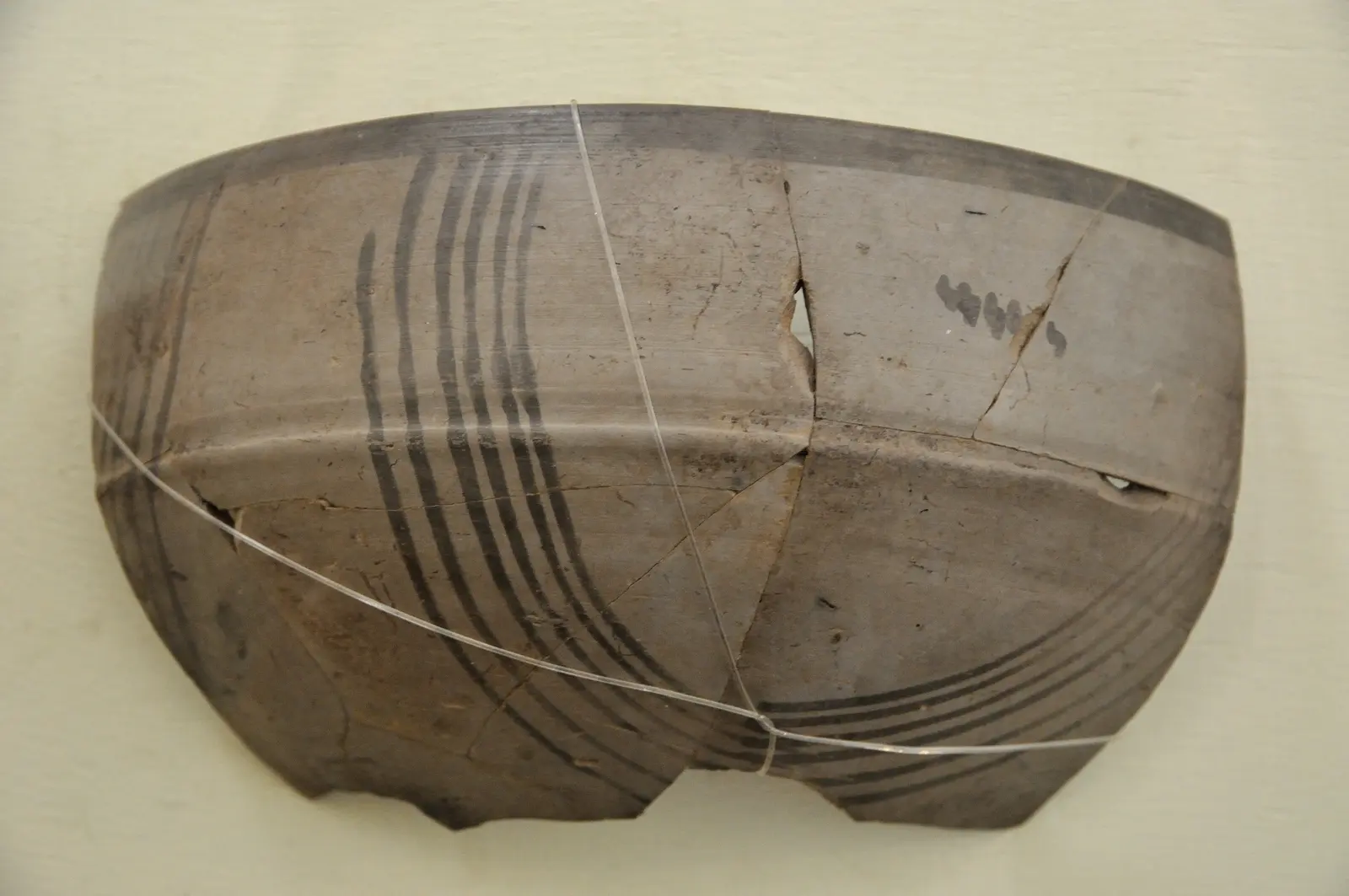
Rigvedic world को किसी एक archaeological pottery culture से directly equate करना कठिन है।
Later Vedic archaeology में Painted Grey Ware (PGW) खास तौर पर upper Ganga-Yamuna region और Kuru-Panchala geography से जुड़ा important archaeological marker है।
लेकिन याद रखें: PGW = ethnicity नहीं.
👥 6. Political Unit: Jana से Janapada
ऋग्वैदिक phase: political identity लोगों और kin-groups पर strongly based थी। Jana बहुत important term था।
उत्तर वैदिक phase: political identity increasingly territory से जुड़ने लगी। यही shift आगे Janapada के development में दिखाई देता है।
यह ancient Indian political history का major transition था।
👑 7. Rajan: Chief से Stronger King तक
ऋग्वैदिक Rajan war leader और community protector था, लेकिन later centralized monarch जैसा fully developed king नहीं था।
Later Vedic phase में kingship stronger और अधिक territorial होती गई। Ruler tribute, royal sacrifices और political prestige से ज्यादा जुड़ने लगा।
Simple comparison: Rigvedic Rajan = clan/jana leader; Later Vedic King = stronger territorial ruler.
🏛️ 8. Sabha, Samiti and Assemblies
Rigvedic phase में Sabha, Samiti और Vidatha जैसी collective gatherings important थीं।
Later Vedic period में assemblies disappear नहीं हुईं, लेकिन stronger kingship के साथ उनकी relative political role बदलती दिखाई देती है।
इसलिए सही statement है: assemblies से kingship की तरफ gradual balance shift.
💰 9. Tribute and Revenue
Rigvedic society में gifts और cattle wealth important थे।
Later Vedic phase में bali जैसी offerings/tribute ruler की economic authority से अधिक systematically जुड़ती दिखाई देती हैं।
यह modern taxation नहीं था, लेकिन ruler की economic claims stronger हो रही थीं।
👨👩👧 10. Family and Patriarchy
दोनों periods में family और patrilineal tendencies important थीं।
लेकिन Later Vedic phase में male lineage, inheritance और household authority का importance अधिक strongly institutionalized दिखाई देता है।
इससे patriarchal structure अधिक pronounced हुआ।
👩 11. Women: Relative Change
Rigvedic corpus में women की intellectual और ritual presence के कुछ important examples मिलते हैं—जैसे Lopamudra, Ghosha और Apala से जुड़ी traditions।
Later Vedic texts में women पर social और ritual restrictions के अधिक संकेत मिलते हैं।
लेकिन यह कहना कि Early Vedic women fully equal थीं और Later Vedic women पूरी तरह powerless हो गईं, oversimplification होगा।
Better conclusion: patriarchal control became stronger over time.
🧑🤝🧑 12. Social Structure
Rigvedic society में differences थे, लेकिन later rigid social order को पूरे early period पर apply करना safe नहीं है।
Later Vedic period में four-varna ideology अधिक clearly articulated होती है: Brahmana, Kshatriya, Vaishya और Shudra।
Actual society फिर भी इन चार categories से ज्यादा complex थी।
📿 13. Brahmanas
Rigvedic society में priests important थे, लेकिन Later Vedic काल में elaborate yajnas के कारण Brahmanas की ritual authority और बढ़ी।
Ritual knowledge more specialized हुआ और Brahmana texts correct procedure और sacrifice की details explain करते हैं।
⚔️ 14. Kshatriyas
Rigvedic phase में warriors और chiefs important थे।
Later Vedic phase में Kshatriya category political-military authority और kingship से अधिक systematically जुड़ती गई।
Brahmana और Kshatriya high-status groups के रूप में clearer हुए।
🌾 15. Vaishya and Shudra
Later Vedic ideology में Vaishya productive groups—farmers, cattle-keepers और exchangers—से जुड़ा और Shudra lower ritual status category के रूप में अधिक clearly दिखाई देता है।
यह differentiation Early Vedic phase की तुलना में अधिक pronounced थी।
🔥 16. Religion: Simpler Sacrifice से Elaborate Ritualism तक
Rigvedic religion में hymns, fire sacrifice और deities जैसे Indra, Agni, Varuna और Soma बहुत important थे।
Later Vedic period में yajnas अधिक complex, specialized और resource-intensive हो गए।
Royal sacrifices जैसे Rajasuya, Ashvamedha और Vajapeya political power से जुड़ गए।
⚡ 17. Deities का Relative Importance
Rigvedic period में Indra और Agni highly prominent थे।
Later Vedic thought में Prajapati जैसी concepts अधिक important हुईं। Vishnu और Rudra की significance भी gradually बढ़ती दिखाई देती है।
लेकिन later Hindu forms को directly Earlier Vedic forms के बराबर मानना historical development को oversimplify करेगा।
🕉️ 18. Ritual से Philosophy की ओर
Rigvedic religious world primarily hymns और sacrifice से जुड़ा था।
Later Vedic काल के बाद के हिस्से में Aranyakas और Upanishads ritual की बाहरी form से आगे बढ़कर self, knowledge और ultimate reality पर focus करने लगे।
Atman और Brahman जैसे concepts इसी intellectual development में central होते हैं।
🏰 19. Warfare and Political Scale
Rigvedic politics में different jana, chiefs और alliances के conflicts—जैसे Dasharajna—important थे।
Later Vedic phase में larger territorial politics, royal rituals और stronger kingship अधिक visible हुए।
Political competition अब सिर्फ cattle raids और kin-groups से आगे territorial power से भी जुड़ती गई।
🏘️ 20. Settlement Pattern
Rigvedic society में pastoral mobility और settlements दोनों मौजूद थे।
Later Vedic period में more permanent villages, larger settlements और agrarian expansion prominent हुए।
यह process आगे towns और second urbanization की background बनता है।
📊 एक नजर में Comparison
Geography: Rigvedic → North-West | Later Vedic → Ganga-Yamuna.
Economy: Rigvedic → Cattle-dominated pastoralism + farming | Later Vedic → Agriculture more central.
Politics: Rigvedic → Jana + Rajan | Later Vedic → Janapada + stronger king.
Assemblies: Rigvedic → More prominent | Later Vedic → Relative importance declines.
Technology: Rigvedic → ayas, iron not always certain | Later Vedic → increasing iron use.
Society: Rigvedic → differentiation developing | Later Vedic → varna hierarchy clearer.
Women: Rigvedic → some visible intellectual/ritual presence | Later Vedic → stronger patriarchal restrictions.
Religion: Rigvedic → Indra, Agni, Soma, simpler yajna | Later Vedic → elaborate rituals + royal sacrifices.
Thought: Rigvedic → hymn-centred | Later Vedic → ritual complexity + Upanishadic questioning.
⚠️ परीक्षा में होने वाली आम गलतियाँ
- Early Vedic को agriculture से completely unaware न मानें।
- Later Vedic में cattle importance खत्म नहीं हुई; agriculture बस ज्यादा central हुई।
- Sabha-Samiti एक दिन अचानक disappear नहीं हुईं।
- PGW को direct Aryan ethnic marker न मानें।
- Early Vedic ayas = हमेशा iron नहीं।
- Later Vedic varna differentiation clearer थी, लेकिन actual society four neat boxes से अधिक complex थी।
- Women की स्थिति को 'complete equality से complete oppression' वाली simple line में न बदलें।
🎯 20-Second Revision
Rigvedic → North-West + cattle + Jana + Rajan + Sabha/Samiti + Indra/Agni.
Later Vedic → Ganga-Yamuna + agriculture + Janapada + stronger king + varna + elaborate yajnas.
Big transition → kin-based pastoral society से अधिक territorial agrarian society की ओर.
📌 सबसे जरूरी बात
ऋग्वैदिक और उत्तर वैदिक समाज का सबसे बड़ा difference किसी एक feature में नहीं था। असली बदलाव एक पूरे social transformation में था: geography eastward हुई, agriculture strong हुई, political identity territory से जुड़ी, kingship powerful हुई, social hierarchy clearer हुई और ritual system अधिक complex हुआ.
यही long-term change आगे Mahajanapadas, second urbanization और नई philosophical-religious movements की foundation बना।
Was this article helpful?
Help us improve by giving your feedback.
Test your understanding
ऋग्वैदिक और उत्तर वैदिक geography के बीच मुख्य बदलाव क्या था?
- A. Ganga-Yamuna से केवल Sindh coast की ओर
- B. North-West से Ganga-Yamuna region की ओर विस्तार
- C. South India से Central Asia की ओर
- D. कोई geographical change नहीं हुआ
Rigvedic focus mainly north-west में था, जबकि Later Vedic culture Ganga-Yamuna region और आगे eastward expand हुई।
कौन-सा economic comparison सबसे सही है?
- A. Rigvedic agriculture-heavy, Later Vedic completely pastoral
- B. दोनों periods में agriculture unknown थी
- C. Rigvedic society में cattle-pastoralism बहुत prominent था, Later Vedic में agriculture अधिक central हुई
- D. Later Vedic economy केवल overseas trade पर आधारित थी
Early Vedic economy में cattle wealth prominent थी, जबकि Later Vedic phase में settled agriculture की importance बढ़ी।
Jana से Janapada की ओर बदलाव मुख्यतः किस development को दिखाता है?
- A. Kin-based political identity से territorial political identity की ओर बदलाव
- B. Agriculture से hunting की ओर
- C. Kingdoms से nomadism की ओर
- D. Writing से oral tradition की ओर
Janapada का development political identity के territory से अधिक जुड़ने को दिखाता है।
Sabha और Samiti के बारे में सबसे सही comparison कौन-सा है?
- A. वे केवल Later Vedic period में पहली बार बनीं
- B. Rigvedic period में उनका कोई role नहीं था
- C. वे modern Parliament जैसी exact institutions थीं
- D. Rigvedic phase में वे अधिक prominent थीं, जबकि stronger kingship के साथ उनकी relative political role बदलती गई
Collective institutions Rigvedic politics में important थीं; Later Vedic kingship के stronger होने पर political balance gradually बदला।
Varna system के बारे में कौन-सा statement सबसे balanced है?
- A. पूरे Rigvedic period में later caste system exactly fixed था
- B. Rigvedic period में differentiation developing थी, Later Vedic period में four-varna ideology अधिक स्पष्ट हुई
- C. Varna केवल Gupta period में पहली बार आया
- D. Later Vedic society में कोई social hierarchy नहीं थी
Later Vedic texts four-varna ideology को अधिक clearly articulate करते हैं, जबकि early period को later rigid system के बराबर नहीं रखना चाहिए।
Religion में कौन-सा major change दिखाई देता है?
- A. Yajna पूरी तरह खत्म हो गए
- B. Rigvedic period में temple worship dominant थी
- C. Later Vedic period में yajnas अधिक elaborate और royal power से अधिक closely linked हुए
- D. Later Vedic period में कोई priest नहीं था
Later Vedic rituals अधिक complex हुए और Rajasuya, Ashvamedha जैसे royal sacrifices political legitimacy से जुड़ गए।
Early और Later Vedic society के difference को सबसे अच्छे तरीके से कौन summarize करता है?
- A. More kin-based and pastoral society से more territorial and agrarian society की ओर gradual change
- B. Urban Harappan cities से Roman colonies की ओर
- C. Agriculture से complete nomadism की ओर
- D. Strong monarchy से monarchy के complete disappearance की ओर
Long-term transition geography, economy और politics तीनों में kin-based pastoral orientation से territorial agrarian structure की ओर था।
Women की स्थिति की comparison में सबसे responsible historical statement कौन-सा है?
- A. हर Rigvedic woman completely equal थी
- B. हर Later Vedic woman के सभी rights खत्म हो गए
- C. दोनों periods में women की स्थिति बिल्कुल identical थी
- D. Rigvedic tradition में कुछ women की visible intellectual/ritual presence मिलती है, जबकि Later Vedic texts stronger patriarchal control के अधिक संकेत देते हैं
Evidence gradual patriarchal strengthening दिखाता है, लेकिन पूरे periods के सभी women पर एक single absolute statement लागू करना सही नहीं है।