
उत्तर वैदिक काल (c. 1000–600 ईसा-पूर्व)
उत्तर वैदिक काल (c. 1000–600 ईसा-पूर्व)
उत्तर वैदिक काल में वैदिक समाज का केंद्र उत्तर-पश्चिम से आगे बढ़कर गंगा-यमुना क्षेत्र की ओर गया। कृषि, लोहे का उपयोग, बड़े जनपद, मजबूत राजसत्ता, विस्तृत यज्ञ और सामाजिक विभाजन अधिक स्पष्ट हुए। यह काल बाद के महाजनपदों और दूसरी नगरीकरण प्रक्रिया की पृष्ठभूमि तैयार करता है।
Quick Summary
उत्तर वैदिक काल में वैदिक समाज का केंद्र उत्तर-पश्चिम से आगे बढ़कर गंगा-यमुना क्षेत्र की ओर गया। कृषि, लोहे का उपयोग, बड़े जनपद, मजबूत राजसत्ता, विस्तृत यज्ञ और सामाजिक विभाजन अधिक स्पष्ट हुए। यह काल बाद के महाजनपदों और दूसरी नगरीकरण प्रक्रिया की पृष्ठभूमि तैयार करता है।
☷ Table of Contents ⌃
- 1🌾 उत्तर वैदिक काल क्या था?
- 2📚 इस काल के मुख्य textual sources
- 3🗺️ Geography: उत्तर-पश्चिम से गंगा-यमुना की ओर
- 4🏺 Painted Grey Ware और Later Vedic Archaeology
- 5🌾 कृषि अब अधिक महत्वपूर्ण क्यों हुई?
- 6🔩 लोहे का उपयोग
- 7🌳 जंगल से खेत तक
- 8🏘️ अधिक स्थायी settlements
- 9👥 जन से जनपद की ओर
- 10👑 राजन् की सत्ता मजबूत हुई
- 11👑 राजसूय
- 12🐎 अश्वमेध
- 13🐄 वाजपेय
- 14🏛️ सभा और समिति का क्या हुआ?
- 15💰 बलि और tribute
- 16🧑🌾 उत्पादन और surplus
- 17⚒️ अलग-अलग पेशे
- 18🛍️ विनिमय और wealth
- 19👥 सामाजिक विभाजन अधिक स्पष्ट हुआ
- 20📿 ब्राह्मणों की बढ़ती भूमिका
- 21⚔️ क्षत्रिय
- 22🌾 वैश्य
- 23🧹 शूद्र
- 24👩 महिलाओं की स्थिति में बदलाव
- 25👨👩👧 पितृवंश का बढ़ता महत्व
- 26🔥 यज्ञ अधिक जटिल हुए
- 27⚡ देवताओं का relative importance बदला
- 28🧠 Ritual से philosophy की ओर भी movement
- 29🌌 Brahman और Atman
- 30🔄 ऋग्वैदिक से Later Vedic: सबसे बड़ा बदलाव क्या था?
- 31🏙️ महाजनपदों की पृष्ठभूमि
- 32⚠️ परीक्षा में होने वाली आम गलतियाँ
- 33🎯 20 सेकंड में Revision
- 34📌 सबसे जरूरी बात
🌾 उत्तर वैदिक काल क्या था?
लगभग 1000 से 600 ईसा-पूर्व के बीच का चरण सामान्यतः उत्तर वैदिक काल या Later Vedic Period कहा जाता है।
यह ऋग्वैदिक समाज का सीधा copy नहीं था। कई सदियों में geography, economy, politics, social relations और rituals में बड़े बदलाव हुए।
अगर ऋग्वैदिक दुनिया को broadly उत्तर-पश्चिम + पशुपालन + jana-based political organization से जोड़ा जाए, तो उत्तर वैदिक दुनिया में पूर्व की ओर विस्तार + अधिक कृषि + territorial kingdoms + stronger social differentiation अधिक स्पष्ट दिखाई देती है।
📚 इस काल के मुख्य textual sources
उत्तर वैदिक काल को समझने के लिए केवल ऋग्वेद पर्याप्त नहीं है। इस phase के लिए बाद के वैदिक texts बहुत महत्वपूर्ण हैं।
इनमें विशेष रूप से:
- Samaveda
- Yajurveda
- Atharvaveda
- Brahmana texts
- Aranyakas
- early Upanishads
से social, ritual, political और philosophical developments की जानकारी मिलती है।
लेकिन इन texts को भी modern history books की तरह नहीं पढ़ना चाहिए। वे अलग-अलग समय और purposes की compositions हैं।
🗺️ Geography: उत्तर-पश्चिम से गंगा-यमुना की ओर
उत्तर वैदिक काल का सबसे बड़ा geographical change था वैदिक cultural world का पूर्व की ओर फैलाव।
अब Ganga-Yamuna Doab और उससे जुड़े क्षेत्रों का महत्व बढ़ता है।
Kuru और Panchala इस phase की सबसे महत्वपूर्ण political-cultural regions में गिने जाते हैं।
बाद में Kosala, Videha और अन्य eastern regions भी वैदिक traditions से अधिक जुड़ते दिखाई देते हैं।
🏺 Painted Grey Ware और Later Vedic Archaeology
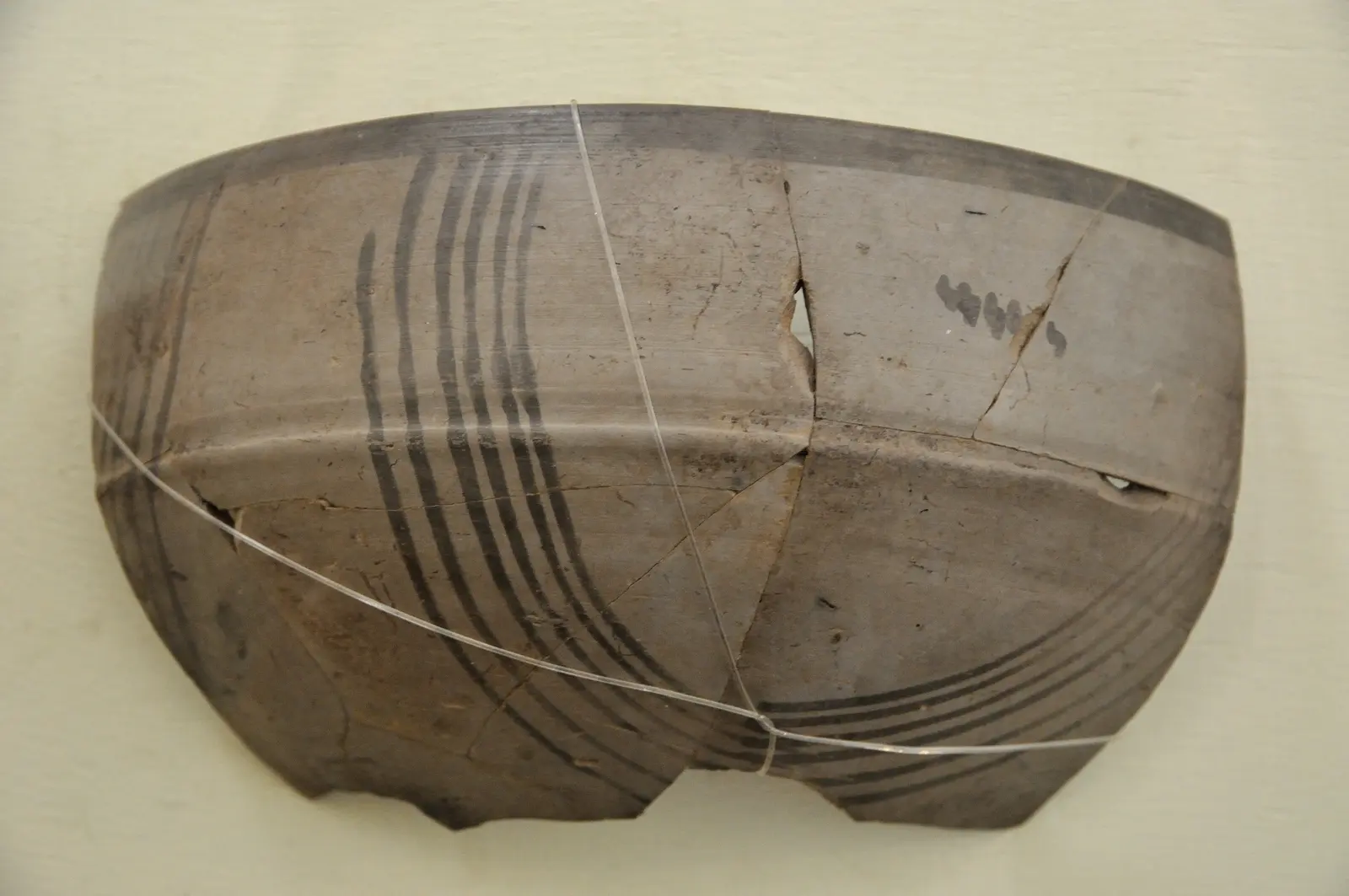
Painted Grey Ware (PGW) एक archaeological pottery tradition है जो लगभग 1200/1000 BCE से 600 BCE के बीच upper Ganga-Yamuna region और आसपास के क्षेत्रों में मिलती है।
कई PGW sites उन्हीं क्षेत्रों में हैं जो Later Vedic texts में Kuru-Panchala जैसे political centres से जुड़े हैं।
इसलिए PGW Later Vedic archaeology के अध्ययन में बहुत useful है।
लेकिन एक important caution: PGW pottery को सीधे 'Vedic people' या 'Aryans' का ethnic marker नहीं मानना चाहिए.
🌾 कृषि अब अधिक महत्वपूर्ण क्यों हुई?
उत्तर वैदिक काल में agriculture का role पहले की तुलना में अधिक prominent दिखाई देता है।
Settlement expansion, forest clearance और fertile Gangetic plains की ओर movement ने agriculture के लिए नए opportunities दिए।
बारley और wheat के साथ rice का महत्व भी eastern regions में बढ़ता दिखाई देता है।
कृषि surplus ने larger settlements, specialized occupations और stronger political authority के development को support किया होगा।
🔩 लोहे का उपयोग
उत्तर वैदिक phase में iron technology का importance बढ़ता है। Texts में श्याम अयस या कृष्ण अयस जैसे expressions को iron से जोड़ा जाता है।
Archaeology भी early first millennium BCE में iron objects की increasing presence दिखाती है।
Iron axes और agricultural tools forest clearance और cultivation expansion में useful रहे होंगे, लेकिन यह कहना कि केवल iron ने ही Gangetic expansion possible बनाया, oversimplification होगा।
🌳 जंगल से खेत तक
गंगा-यमुना region में dense vegetation के बड़े हिस्सों को agriculture और settlements के लिए clear करना पड़ता होगा।
Iron tools के wider use, population movement और settled agriculture के growth ने इस process को support किया।
इससे permanent villages और larger settlements के लिए आधार मजबूत हुआ।
🏘️ अधिक स्थायी settlements
ऋग्वैदिक society की तुलना में Later Vedic phase में settlement pattern अधिक settled और territorial होता दिखाई देता है।
अब केवल kin-group identity ही नहीं, territory भी political identity का महत्वपूर्ण आधार बनने लगी।
यही long-term process आगे चलकर janapadas और mahajanapadas के development में दिखाई देता है।
👥 जन से जनपद की ओर
ऋग्वैदिक jana broadly people/community पर आधारित identity थी। Later Vedic phase में political organization territory से अधिक जुड़ने लगती है।
इसी context में janapada concept महत्वपूर्ण होता है—यानि broadly वह territory जहाँ एक jana या political community स्थापित है।
यह change Indian political history में बहुत significant है, क्योंकि बाद में बड़े territorial states इसी foundation पर विकसित होते हैं।
👑 राजन् की सत्ता मजबूत हुई
उत्तर वैदिक काल में rajan की authority पहले की तुलना में अधिक powerful और territorial होती दिखाई देती है।
अब ruler केवल युद्ध में group leader नहीं था; large sacrifices, tribute, land, territorial claims और political prestige से kingship अधिक जुड़ती गई।
Royal rituals ruler की legitimacy और status को strengthen करने लगे।
👑 राजसूय
Rajasuya एक महत्वपूर्ण royal ritual था जो king की political और ritual status को reinforce करता था।
यह केवल religious ceremony नहीं थी; इसमें royal authority, social hierarchy और political prestige का भी strong element था।
🐎 अश्वमेध
Ashvamedha सबसे प्रसिद्ध royal sacrifices में से एक था।
इसमें horse का symbolic और political role central था। Ritual ruler की power, territorial claims और prestige से जुड़ा था।
लेकिन यह मानना गलत होगा कि हर Later Vedic king नियमित रूप से Ashvamedha करता था। यह resource-intensive और high-status ritual था।
🐄 वाजपेय
Vajapeya भी prestigious sacrifice था, जिसे royal और ritual status से जोड़ा जाता है।
इन rituals से यह दिखता है कि Later Vedic society में political power और ritual authority का संबंध अधिक complex हो रहा था।
🏛️ सभा और समिति का क्या हुआ?
सभा और समिति जैसे assembly terms Later Vedic texts में भी मिलते हैं, लेकिन stronger kingship के साथ उनकी relative political importance बदलती दिखाई देती है।
यह कहना oversimplification होगा कि वे एक date पर अचानक खत्म हो गईं।
Better conclusion यह है कि territorial kingship के stronger होने के साथ collective institutions और royal authority के बीच balance बदल रहा था।
💰 बलि और tribute
Later Vedic texts में bali जैसे terms ruler को दिए जाने वाले offerings या tribute के संदर्भ में अधिक organized form लेते दिखाई देते हैं।
यह later taxation system जैसा fully developed bureaucratic tax नहीं था, लेकिन rulers की economic claims बढ़ रही थीं।
🧑🌾 उत्पादन और surplus
अधिक agricultural production से rulers, priests, craftspeople और अन्य non-producing groups को support करना आसान हुआ होगा।
इससे occupational specialization और social differentiation के लिए conditions बनीं।
यही process long-term state formation और urbanization की background बनती है।
⚒️ अलग-अलग पेशे
Later Vedic texts में carpenters, smiths, chariot-makers, potters, leather workers और अन्य specialized occupations के references मिलते हैं।
यह economy के diversification का संकेत है।
लेकिन अभी fully urban craft-production system को later historical cities जैसा समझना सही नहीं होगा।
🛍️ विनिमय और wealth
Cattle अभी भी important wealth थी, लेकिन economy अब अधिक agricultural और diversified हो रही थी।
Gold ornaments और valuable objects का use जारी रहा। Nishka जैसे terms मिलते हैं, लेकिन इन्हें modern coin की तरह treat करना गलत है।
Regular punch-marked coinage बाद के period में clearly दिखाई देती है।
👥 सामाजिक विभाजन अधिक स्पष्ट हुआ
Later Vedic society में varna differentiation पहले की तुलना में अधिक स्पष्ट होती है।
चार broad varnas—Brahmana, Kshatriya, Vaishya और Shudra—का ideological structure अधिक developed होता गया।
लेकिन actual society केवल चार simple boxes में नहीं थी। Occupations, kin-groups, wealth और local identities भी social life का हिस्सा थे।
📿 ब्राह्मणों की बढ़ती भूमिका
Complex yajnas और rituals के बढ़ने से ritual specialists यानी Brahmanas की importance बढ़ी।
Ritual knowledge increasingly specialized हुआ और correct mantra, procedure और sacrifice की details को बड़ी importance मिली।
Brahmana texts इसी ritual world को काफी detail में explain करते हैं।
⚔️ क्षत्रिय
Kshatriya political power, warfare और kingship से जुड़ा social category बनता गया।
Later Vedic literature में Brahmana और Kshatriya दोनों high-status groups थे, हालांकि उनके roles अलग थे—एक ritual authority से और दूसरा political-military authority से अधिक जुड़ा था।
🌾 वैश्य
Vaishya broadly productive groups—agriculture, cattle-keeping और exchange—से जोड़े गए।
Texts में उनका role economic production और tribute देने वाले groups के रूप में दिखाई देता है।
🧹 शूद्र
Shudra social hierarchy में lower status category के रूप में अधिक clearly दिखाई देते हैं।
Later Vedic texts में ritual participation और status के संदर्भ में unequal treatment के संकेत मिलते हैं।
लेकिन later historical caste structures को exactly इसी phase पर project करना फिर भी सावधानी मांगता है।
👩 महिलाओं की स्थिति में बदलाव
Later Vedic texts कई क्षेत्रों में patriarchal control के stronger होने के संकेत देते हैं।
Property, lineage और ritual authority अधिक strongly male-dominated होने लगे।
कुछ texts women के roles पर restrictions का संकेत देते हैं, लेकिन पूरे subcontinent में हर woman की situation बिल्कुल एक जैसी थी—ऐसा मानना सही नहीं है।
👨👩👧 पितृवंश का बढ़ता महत्व
Later Vedic society में patrilineal succession और male lineage का importance बढ़ता दिखाई देता है।
Property, kingship और family continuity में sons को महत्व देने वाले ideas अधिक clearly मिलते हैं।
यह broader social hierarchy और settled agrarian society के growth से जुड़ा था।
🔥 यज्ञ अधिक जटिल हुए
ऋग्वैदिक phase में yajna important था, लेकिन Later Vedic काल में sacrifices अधिक elaborate, specialized और resource-intensive हो गए।
Large rituals में कई priests, specific mantras, offerings और complex procedures शामिल हो सकते थे।
इन rituals का political importance भी था, खासकर royal sacrifices में।
⚡ देवताओं का relative importance बदला
ऋग्वैदिक religion में Indra और Agni बहुत prominent थे। Later Vedic phase में ritual system complex होने के साथ religious emphasis भी बदलता है।
Prajapati जैसे deity-concepts अधिक important होते हैं।
Vishnu और Rudra भी later textual developments में greater significance प्राप्त करते हैं, हालांकि उनका later Hindu forms से exact identification बिना historical development समझे नहीं करनी चाहिए।
🧠 Ritual से philosophy की ओर भी movement
Later Vedic period केवल larger yajnas का काल नहीं था। इसी broad period के later phase में ritual-centred thought पर questioning भी दिखाई देती है।
Aranyakas और Upanishads में sacrifice की बाहरी प्रक्रिया से आगे बढ़कर self, reality, knowledge और ultimate truth जैसे questions पर focus बढ़ता है।
यही philosophical development आगे Indian intellectual history में बहुत influential हुआ।
🌌 Brahman और Atman
Early Upanishadic thought में Brahman और Atman जैसे concepts increasingly important होते हैं।
इन texts में ultimate reality और individual self के relationship पर deep philosophical discussion मिलती है।
यह वैदिक thought के अंदर एक major intellectual transformation का संकेत है।
🔄 ऋग्वैदिक से Later Vedic: सबसे बड़ा बदलाव क्या था?
एक simple contrast useful है:
Rigvedic → north-west + cattle + jana + relatively simpler kingship + assemblies.
Later Vedic → Ganga-Yamuna expansion + more agriculture + territorial janapadas + stronger kingship + clearer varna hierarchy + elaborate yajnas.
लेकिन यह change gradual था, sudden नहीं।
🏙️ महाजनपदों की पृष्ठभूमि
Later Vedic phase के अंत तक larger territorial political units, agricultural expansion और social-economic specialization की conditions तैयार हो चुकी थीं।
लगभग 6th century BCE के आसपास यही broader transformations Mahajanapadas, growing towns, trade और second urbanization की बड़ी process में दिखाई देती हैं।
इसलिए Later Vedic period ancient Indian political history का एक महत्वपूर्ण bridge है।
⚠️ परीक्षा में होने वाली आम गलतियाँ
- Later Vedic broad date: c. 1000–600 BCE.
- Geographical shift: north-west से Ganga-Yamuna region की ओर.
- Kuru-Panchala Later Vedic political-cultural centres में महत्वपूर्ण थे.
- PGW archaeology useful है, लेकिन इसे direct ethnic marker न मानें.
- Iron use बढ़ा, especially early first millennium BCE में.
- Agriculture का role बढ़ा.
- Jana → Janapada territorial shift महत्वपूर्ण है.
- Kingship stronger हुई.
- Rajasuya, Ashvamedha, Vajapeya prestigious rituals थे.
- Varna differentiation clearer हुई.
- Brahmanas की ritual role बढ़ी.
- Upanishadic thought Later Vedic intellectual development का हिस्सा है.
🎯 20 सेकंड में Revision
काल → c. 1000–600 BCE.
Region → Ganga-Yamuna + Kuru-Panchala.
Economy → agriculture expands + iron use grows.
Politics → Jana → Janapada + stronger kingship.
Royal rituals → Rajasuya + Ashvamedha + Vajapeya.
Society → clearer varna hierarchy.
Religion → elaborate yajnas + Brahmana dominance.
Thought → Aranyakas + Upanishads + philosophical questioning.
📌 सबसे जरूरी बात
उत्तर वैदिक काल को केवल 'ऋग्वैदिक काल का अगला chapter' समझना कम होगा। इस period में भारतीय history की कई long-term processes तेज होती हैं: पूर्व की ओर settlement expansion, agriculture का growth, iron use, territorial states, stronger kingship, social hierarchy और increasingly complex ritual tradition.
इसी phase के अंत में वे conditions बनती हैं जिनसे आगे Mahajanapadas, second urbanization और नई philosophical-religious movements उभरती हैं।
Was this article helpful?
Help us improve by giving your feedback.
Test your understanding
उत्तर वैदिक काल की broad chronology क्या मानी जाती है?
- A. 2600–1900 BCE
- B. 1500–1000 BCE
- C. 1000–600 BCE
- D. 322–185 BCE
उत्तर वैदिक काल सामान्यतः लगभग 1000 से 600 ईसा-पूर्व के बीच रखा जाता है।
उत्तर वैदिक काल में वैदिक culture का geographical focus किस क्षेत्र की ओर बढ़ा?
- A. केवल सिंध तट
- B. गंगा-यमुना क्षेत्र
- C. केवल दक्षिण भारत
- D. श्रीलंका
Later Vedic phase में Kuru-Panchala सहित Ganga-Yamuna region की importance काफी बढ़ी।
उत्तर वैदिक period के archaeological study से कौन-सी pottery tradition अक्सर जोड़ी जाती है?
- A. Painted Grey Ware
- B. Roman amphora only
- C. Chinese porcelain
- D. Mughal glazed ware
Painted Grey Ware upper Ganga-Yamuna region में Later Vedic archaeological context समझने के लिए महत्वपूर्ण है।
उत्तर वैदिक political development को कौन-सा change सबसे अच्छी तरह दिखाता है?
- A. Janapada से पूरी तरह nomadic jana की ओर
- B. राजाओं का पूरी तरह समाप्त हो जाना
- C. सिर्फ village councils का शासन
- D. Jana-based identity से territorial Janapadas की ओर बदलाव
Later Vedic phase में political identity लोगों के kin-group से आगे बढ़कर territory से अधिक जुड़ती गई।
निम्न में से कौन-सा उत्तर वैदिक royal ritual था?
- A. दीन-ए-इलाही
- B. सुलह-ए-कुल
- C. अश्वमेध
- D. इकता
Ashvamedha उत्तर वैदिक royal sacrifices में सबसे प्रसिद्ध था और ruler की status व territorial power से जुड़ा था।
उत्तर वैदिक काल में iron के बढ़ते उपयोग के बारे में सबसे सही statement कौन-सा है?
- A. Iron का कोई उपयोग नहीं था
- B. Iron use बढ़ा और agriculture तथा forest clearance में useful रहा होगा, लेकिन eastward expansion का अकेला कारण नहीं था
- C. केवल gold tools उपयोग होते थे
- D. Iron पहली बार Gupta period में आया
Early first millennium BCE में iron use बढ़ा, लेकिन historical change को सिर्फ iron से explain करना oversimplification होगा।
उत्तर वैदिक society में varna development के बारे में सबसे सावधान conclusion कौन-सा है?
- A. चार-varna ideology अधिक स्पष्ट हुई, लेकिन actual society उससे ज्यादा complex थी
- B. हर व्यक्ति का caste occupation जन्म से पूरी तरह legally fixed था और हमारे पास complete records हैं
- C. कोई social hierarchy थी ही नहीं
- D. Varna system Mughal period में शुरू हुआ
Later Vedic texts four-varna hierarchy को अधिक clearly express करते हैं, लेकिन historical society को सिर्फ चार simple categories में reduce नहीं किया जा सकता।
उत्तर वैदिक काल को Mahajanapadas की पृष्ठभूमि क्यों माना जा सकता है?
- A. क्योंकि उस समय Mauryan Empire पहले से मौजूद था
- B. क्योंकि agriculture समाप्त हो गई थी
- C. क्योंकि सभी political units छोटे nomadic groups बन गए थे
- D. क्योंकि agriculture expansion, territorial political units, stronger kingship और social-economic specialization आगे larger states की conditions बना रहे थे
Later Vedic transformations ने sixth century BCE के larger states और urbanization के लिए political और economic background तैयार किया।