
वेद, ब्राह्मण, आरण्यक और उपनिषद
वेद, ब्राह्मण, आरण्यक और उपनिषद
वैदिक साहित्य केवल चार वेदों तक सीमित नहीं है। संहिताओं में मंत्र और स्तुतियाँ मिलती हैं, ब्राह्मण ग्रंथ यज्ञ और कर्मकांड की व्याख्या करते हैं, आरण्यक बाहरी यज्ञ से उसके गहरे और प्रतीकात्मक अर्थ की ओर बढ़ते हैं, जबकि उपनिषद आत्मा, ब्रह्म, कर्म, पुनर्जन्म और मोक्ष जैसे दार्शनिक प्रश्नों पर विचार करते हैं।
Quick Summary
वैदिक साहित्य केवल चार वेदों तक सीमित नहीं है। संहिताओं में मंत्र और स्तुतियाँ मिलती हैं, ब्राह्मण ग्रंथ यज्ञ और कर्मकांड की व्याख्या करते हैं, आरण्यक बाहरी यज्ञ से उसके गहरे और प्रतीकात्मक अर्थ की ओर बढ़ते हैं, जबकि उपनिषद आत्मा, ब्रह्म, कर्म, पुनर्जन्म और मोक्ष जैसे दार्शनिक प्रश्नों पर विचार करते हैं।
☷ Table of Contents ⌃
- 1📚 वैदिक साहित्य को एक सीढ़ी की तरह समझिए
- 2🕉️ वेद क्या हैं?
- 3🗣️ पहले लिखे नहीं, याद रखे गए
- 4📖 1. ऋग्वेद
- 5🎵 2. सामवेद
- 6🔥 3. यजुर्वेद
- 7🏠 4. अथर्ववेद
- 8🧠 चार वेद याद रखने का आसान तरीका
- 9📜 ब्राह्मण ग्रंथ क्या हैं?
- 10🔥 यज्ञ इतना complex क्यों दिखाई देता है?
- 11📚 प्रमुख ब्राह्मण ग्रंथ
- 12⭐ शतपथ ब्राह्मण
- 13🌳 आरण्यक क्या हैं?
- 14🌳 Brahmana और Upanishad के बीच bridge
- 15🧘 बाहरी यज्ञ से भीतर की ओर
- 16📚 प्रमुख आरण्यक
- 17💭 और फिर आते हैं उपनिषद
- 18📖 'उपनिषद' शब्द
- 19🔚 उपनिषद को Vedanta क्यों कहते हैं?
- 20🌌 ब्रह्म क्या है?
- 21🧘 आत्मन् क्या है?
- 22✨ 'तत् त्वम् असि'
- 23✨ 'अहं ब्रह्मास्मि'
- 24🧠 'नेति नेति'
- 25♻️ कर्म और पुनर्जन्म
- 26🕊️ मोक्ष
- 27🔥 क्या Upanishads ने यज्ञ को reject कर दिया?
- 28👑 राजा भी philosophical debates में
- 29👩 गार्गी वाचक्नवी
- 30👩 मैत्रेयी और याज्ञवल्क्य
- 31👦 नचिकेता और यम
- 32📚 प्रमुख Upanishads
- 33🔢 क्या 108 Upanishads हैं?
- 34🔗 कौन-सा Upanishad किस Veda से?
- 35🧩 चार layers को एक example से समझें
- 36📜 श्रुति क्या है?
- 37📖 Shruti और Smriti
- 38🕰️ क्या exact dates पता हैं?
- 39🏺 Historians इन texts का use कैसे करते हैं?
- 40🔄 सबसे बड़ा intellectual development
- 41⚠️ परीक्षा में होने वाली आम गलतियाँ
- 42🎯 20 सेकंड में Revision
- 43📌 सबसे जरूरी बात
📚 वैदिक साहित्य को एक सीढ़ी की तरह समझिए
पिछले topics में हमने वैदिक समाज, अर्थव्यवस्था, वर्ण व्यवस्था, देवताओं और यज्ञ को समझा। अब सवाल है—इन सबके बारे में हमें जानकारी मिलती कहाँ से है?
इसका सबसे महत्वपूर्ण उत्तर है वैदिक साहित्य।
इसे आसान तरीके से चार stages में समझ सकते हैं:
संहिता → ब्राह्मण → आरण्यक → उपनिषद
लेकिन ध्यान रखें कि यह कोई ऐसी strict timeline नहीं है जिसमें एक tradition पूरी तरह खत्म हुई और उसके बाद दूसरी शुरू हुई। इनमें overlap है और अलग-अलग Vedic schools की अपनी textual traditions थीं।
🕉️ वेद क्या हैं?
चार मुख्य वेद हैं:
- ऋग्वेद
- सामवेद
- यजुर्वेद
- अथर्ववेद
इनकी मंत्र-संग्रह वाली मूल layer को broadly संहिता (Samhita) कहा जाता है।
इसलिए Rigveda कहने पर कई contexts में विशेष रूप से Rigveda Samhita की बात होती है।
🗣️ पहले लिखे नहीं, याद रखे गए
वैदिक texts की सबसे खास बात उनकी अत्यंत विकसित oral tradition है।
इनका transmission लंबे समय तक गुरु से शिष्य तक सुनकर, बोलकर और याद करके हुआ। केवल शब्द ही नहीं, pronunciation और accent तक को सुरक्षित रखने के लिए अलग-अलग recitation methods विकसित हुए।
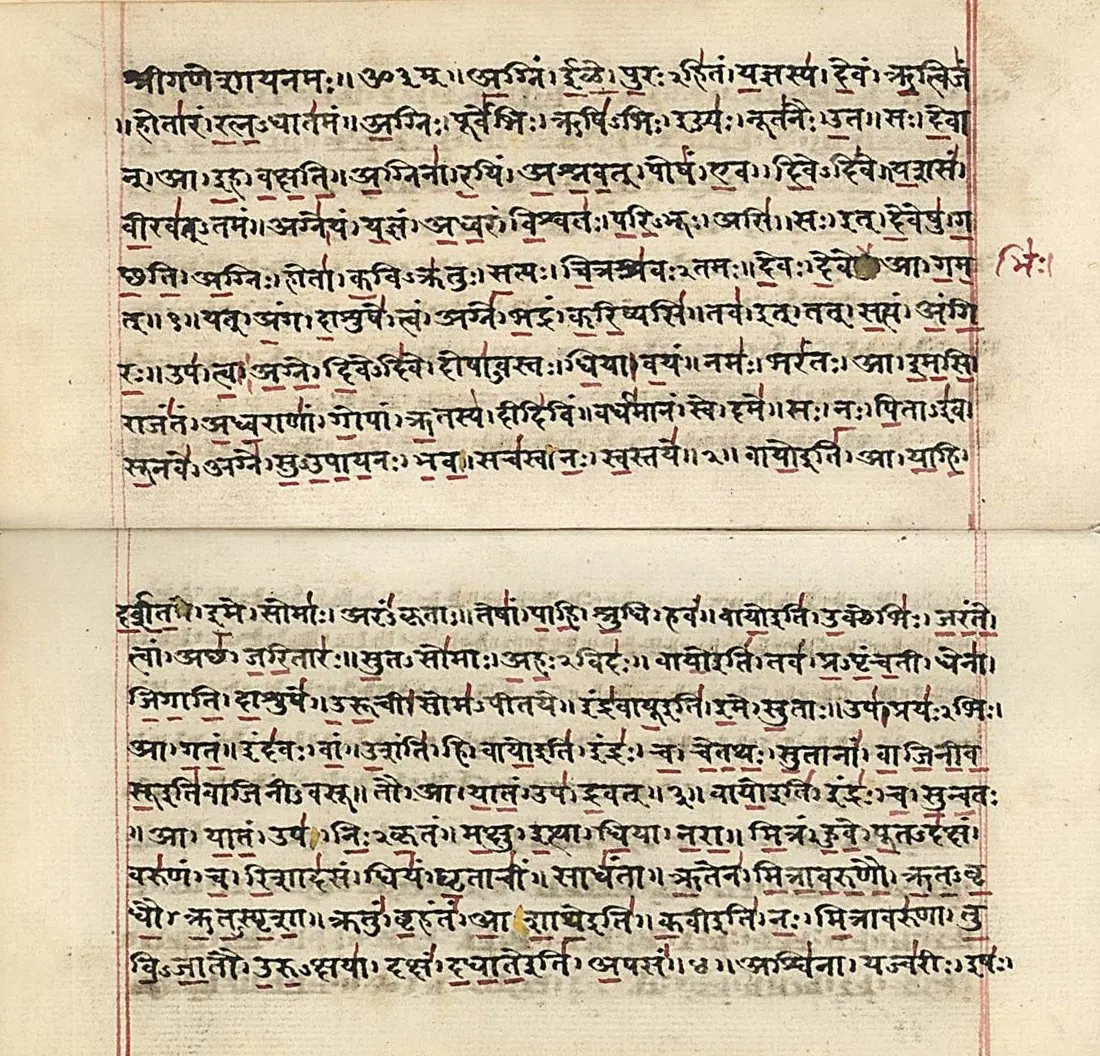
इसलिए आज हमें जो manuscripts दिखाई देते हैं, वे Vedic compositions से बहुत बाद के हैं। Manuscript पुरानी मौखिक परंपरा को preserve करने का बाद का माध्यम है।
📖 1. ऋग्वेद
Rigveda चारों वेदों में सबसे प्राचीन Vedic collection माना जाता है। इसमें देवताओं की स्तुति में रचे गए hymns यानी सूक्त हैं।
Rigveda Samhita को 10 मंडलों में व्यवस्थित किया गया है।
Indra, Agni, Soma, Varuna, Ushas, Ashvins और दूसरे देवताओं के बारे में हमारी बहुत-सी जानकारी इसी से आती है।
लेकिन Rigveda केवल religion की जानकारी नहीं देता। इसके hymns से historians cattle, warfare, chiefs, rivers, kinship और Early Vedic society के बारे में भी सावधानी से clues निकालते हैं।
🎵 2. सामवेद
Samaveda मुख्य रूप से ऐसे मंत्रों और verses से जुड़ा है जिन्हें sacrifice के दौरान musical form में गाया जाता था।
इसके बहुत से verses Rigveda से लिए गए हैं, लेकिन Samaveda की खासियत उनका chanting और ritual performance में उपयोग है।
पिछले topic का Udgatri priest याद रखें—उसका संबंध Samaveda के chants से था।
🔥 3. यजुर्वेद
Yajurveda sacrifice की practical performance से closely जुड़ा है। इसमें ritual formulas और yajna से संबंधित procedures मिलती हैं।
इसका संबंध Adhvaryu priest से था।
Yajurveda की दो प्रमुख traditions हैं:
- Shukla Yajurveda
- Krishna Yajurveda
Exam में इन दोनों को पहचानना important है।
🏠 4. अथर्ववेद
Atharvaveda Vedic religious life का कुछ अलग और wider picture देता है।
इसमें prayers, healing, protection, household concerns, prosperity, disease और everyday anxieties से जुड़ा material भी मिलता है।
इसलिए Atharvaveda से केवल बड़े yajnas नहीं, बल्कि everyday religious concerns की भी झलक मिलती है।
🧠 चार वेद याद रखने का आसान तरीका
Rigveda → स्तुतियाँ और hymns
Samaveda → गान और chants
Yajurveda → yajna formulas और procedure
Atharvaveda → prayers, healing, protection और घरेलू concerns
📜 ब्राह्मण ग्रंथ क्या हैं?
Brahmana texts मुख्य रूप से Vedic rituals और sacrifices की explanation से जुड़े prose texts हैं।
इनमें केवल यह नहीं बताया जाता कि ritual में क्या करना है, बल्कि कई जगह यह भी explain किया जाता है कि कोई particular ritual action क्यों किया जाता है और उसका symbolic meaning क्या है।
इसलिए Brahmana texts Later Vedic ritual world को समझने के लिए बेहद important हैं।
🔥 यज्ञ इतना complex क्यों दिखाई देता है?
Later Vedic period में sacrifices ज्यादा elaborate हुए। अलग priests, अलग chants, अलग offerings और अलग ritual procedures का development हुआ।
Brahmana literature इसी complex ritual system को explain करता है।
इसे ऐसे याद रखें:
Samhita → mantra
Brahmana → ritual की explanation
📚 प्रमुख ब्राह्मण ग्रंथ
अलग-अलग Vedas से अलग Brahmana texts जुड़े हैं। Important examples:
- Aitareya Brahmana → Rigveda
- Kaushitaki Brahmana → Rigveda
- Shatapatha Brahmana → Shukla Yajurveda
- Taittiriya Brahmana → Krishna Yajurveda
- Panchavimsha Brahmana → Samaveda
⭐ शतपथ ब्राह्मण
Shatapatha Brahmana Later Vedic literature के सबसे important Brahmana texts में से एक है। इसका संबंध Shukla Yajurveda से है।
इसमें sacrifices, ritual explanations, myths और developing philosophical ideas तक का rich material मिलता है।
Brihadaranyaka Upanishad भी इसी broad textual tradition से जुड़ा है।
🌳 आरण्यक क्या हैं?
Aranyaka शब्द का संबंध Aranya यानी forest से है। इसीलिए इन्हें अक्सर 'forest texts' कहा जाता है।
लेकिन इन्हें केवल 'जंगल में लिखी books' समझना सही नहीं होगा।
इन texts में ritual की बाहरी प्रक्रिया के साथ उसके symbolic, contemplative और deeper meanings पर ज्यादा ध्यान दिखाई देता है।
🌳 Brahmana और Upanishad के बीच bridge
Aranyakas को ऐसे समझ सकते हैं:
Brahmana → बाहरी ritual की detailed explanation
Aranyaka → ritual के symbolic और contemplative meaning की ओर movement
Upanishad → philosophical inquiry ज्यादा central
इसीलिए Aranyakas को Brahmanas और Upanishads के बीच एक useful intellectual bridge कहा जाता है।
🧘 बाहरी यज्ञ से भीतर की ओर
मान लीजिए किसी ritual में अग्नि जलाई जाती है। Brahmana text उसके procedure और ritual meaning को explain कर सकता है।
Aranyaka tradition उसी ritual के deeper symbolic meaning पर विचार कर सकती है—अग्नि, प्राण, मनुष्य और cosmos के बीच connections खोजते हुए।
यहीं से philosophical questioning और मजबूत होती दिखाई देती है।
📚 प्रमुख आरण्यक
Important examples में:
- Aitareya Aranyaka
- Kaushitaki Aranyaka
- Taittiriya Aranyaka
शामिल हैं। इनमें ritual के साथ prana, meditation, self और philosophical speculation पर भी discussion मिलता है।
💭 और फिर आते हैं उपनिषद
Upanishads Vedic literary tradition के philosophical development का बेहद important stage हैं।
अब questions और गहरे हो जाते हैं:
मैं कौन हूँ?
इस संसार की ultimate reality क्या है?
मृत्यु के बाद क्या होता है?
आत्मा क्या है?
ब्रह्म क्या है?
जन्म-मृत्यु के cycle से freedom कैसे मिले?
यही questions Upanishadic thought को Indian intellectual history में इतना important बनाते हैं।
📖 'उपनिषद' शब्द
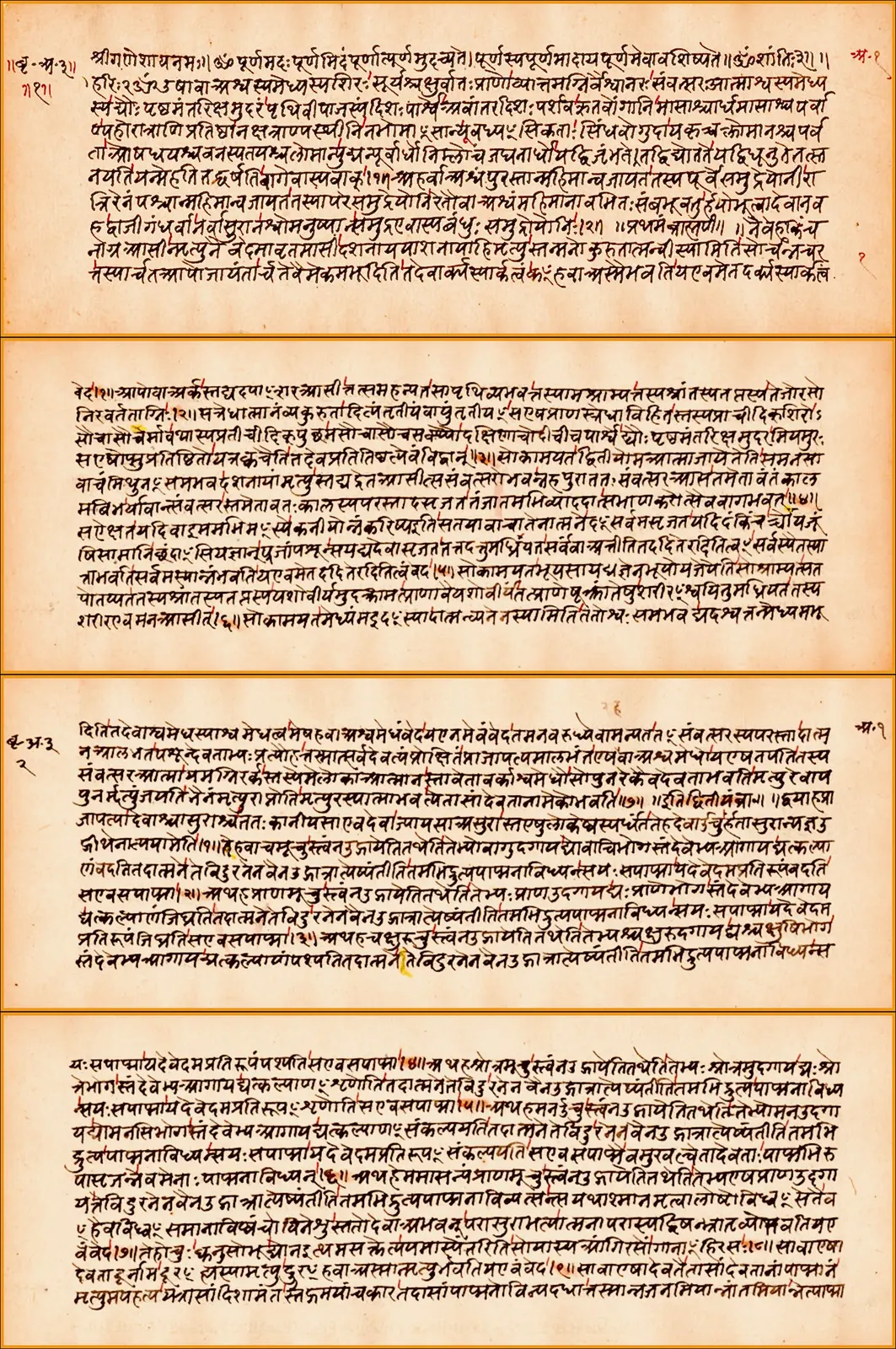
Traditional explanation में Upanishad को teacher के निकट बैठकर प्राप्त होने वाले गहरे knowledge से जोड़ा जाता है।
समय के साथ यह term उन philosophical teachings और texts के लिए इस्तेमाल होने लगा जिनमें ultimate reality, self और knowledge की चर्चा की गई।
🔚 उपनिषद को Vedanta क्यों कहते हैं?
Vedanta का literal अर्थ है Veda का अंत।
Upanishads Vedic corpus के concluding philosophical portions से जुड़े होने के कारण Vedanta कहलाते हैं।
लेकिन यहां 'end' का अर्थ केवल book के अंतिम pages नहीं है। इसे Vedic intellectual tradition की culmination के अर्थ में भी समझा गया।
🌌 ब्रह्म क्या है?
Upanishadic texts में Brahman ultimate reality के central concepts में से एक बनता है।
यह cosmos और existence के deepest basis को समझने का philosophical concept है।
अलग Upanishads और बाद की philosophical traditions इसे अलग nuances में explain करती हैं, इसलिए Brahman को एक single simple definition में बंद करना ठीक नहीं है।
🧘 आत्मन् क्या है?
Atman broadly deeper self से जुड़ा concept है।
Upanishadic thinkers ने पूछा कि हमारा वास्तविक self केवल body, senses और mind है या इनके पीछे कोई deeper principle है?
Atman और Brahman के relationship की खोज Upanishadic philosophy का central theme बन जाती है।
✨ 'तत् त्वम् असि'
Tat Tvam Asi यानी broadly 'तुम वही हो' Chandogya Upanishad की प्रसिद्ध teaching है।
यह Uddalaka और Shvetaketu के dialogue में आती है और individual self तथा deeper reality के relationship से जुड़ी है।
✨ 'अहं ब्रह्मास्मि'
Aham Brahmasmi यानी broadly 'मैं ब्रह्म हूँ' Brihadaranyaka Upanishad से जुड़ा famous statement है।
बाद की Vedanta traditions ने इसके अलग-अलग philosophical interpretations विकसित किए।
🧠 'नेति नेति'
Neti Neti यानी 'यह नहीं, यह नहीं' Brihadaranyaka Upanishad से जुड़ी प्रसिद्ध expression है।
Idea यह है कि ultimate reality को ordinary सीमित categories में पूरी तरह define करना कठिन है।
♻️ कर्म और पुनर्जन्म
Later Vedic और Upanishadic thought में Karma और rebirth से जुड़े ideas अधिक clearly दिखाई देते हैं।
Human actions और consequences को larger cycle of existence से जोड़ने की philosophical development हुई।
इसी context में Samsara यानी repeated birth and death का idea important बनता है।
🕊️ मोक्ष
अगर repeated birth and death का cycle है, तो naturally सवाल उठता है—इससे मुक्ति कैसे मिले?
Moksha broadly इसी liberation से जुड़ा concept है।
Upanishadic traditions में सही knowledge को liberation के लिए बहुत महत्वपूर्ण माना गया।
🔥 क्या Upanishads ने यज्ञ को reject कर दिया?
इसे simple 'ritual बनाम philosophy' fight की तरह समझना सही नहीं होगा।
Upanishads उसी Vedic tradition के भीतर विकसित हुए। कई passages external ritual को reinterpret करते हैं, उसकी limits पर विचार करते हैं या knowledge को higher importance देते हैं।
इसलिए ज्यादा accurate statement है: focus external ritual से internal knowledge और philosophical inquiry की ओर भी बढ़ा।
👑 राजा भी philosophical debates में
Upanishadic dialogues interesting social picture देते हैं। कुछ passages में kings भी philosophical discussion के important participants हैं।
King Janaka Brihadaranyaka tradition में philosophical debates से famous रूप से जुड़े हैं।
इससे पता चलता है कि intellectual exchange केवल one-way priestly teaching नहीं था।
👩 गार्गी वाचक्नवी
Gargi Vachaknavi Brihadaranyaka Upanishad में एक famous philosophical debate से जुड़ी हैं।
वह Yajnavalkya से reality और cosmos के nature पर difficult questions करती हैं।
यह Vedic philosophical tradition में women intellectuals की presence का महत्वपूर्ण example है।
👩 मैत्रेयी और याज्ञवल्क्य
Maitreyi और Yajnavalkya का dialogue भी Brihadaranyaka Upanishad का प्रसिद्ध section है।
Maitreyi wealth और immortality के relationship पर सवाल करती हैं। Discussion material wealth से आगे ultimate knowledge की ओर बढ़ता है।
इससे Upanishadic concern बहुत साफ दिखाई देता है: क्या wealth immortality दे सकती है, या deeper knowledge की जरूरत है?
👦 नचिकेता और यम
Katha Upanishad में Nachiketa और Yama का प्रसिद्ध dialogue मिलता है।
Nachiketa मृत्यु, self और ultimate truth के बारे में प्रश्न करता है।
यह difficult philosophical questions को memorable story के माध्यम से explain करता है।
📚 प्रमुख Upanishads
Ancient और principal Upanishads में commonly:
- Isha
- Kena
- Katha
- Prashna
- Mundaka
- Mandukya
- Taittiriya
- Aitareya
- Chandogya
- Brihadaranyaka
को बहुत महत्वपूर्ण माना जाता है।
Shvetashvatara और Kaushitaki जैसे कुछ दूसरे Upanishads भी early philosophical tradition में important हैं।
🔢 क्या 108 Upanishads हैं?
108 Upanishads की traditional enumeration बहुत प्रसिद्ध है।
लेकिन इसका मतलब यह नहीं कि सभी 108 texts एक ही period में compose हुए थे। बहुत से Upanishads काफी बाद के हैं।
इसलिए exam में traditional 108 Upanishads और principal/early Upanishads के बीच difference समझना important है।
🔗 कौन-सा Upanishad किस Veda से?
- Aitareya Upanishad → Rigveda
- Brihadaranyaka Upanishad → Shukla Yajurveda
- Isha Upanishad → Shukla Yajurveda
- Taittiriya Upanishad → Krishna Yajurveda
- Chandogya Upanishad → Samaveda
- Kena Upanishad → Samaveda
- Mundaka Upanishad → Atharvaveda
- Mandukya Upanishad → Atharvaveda
- Prashna Upanishad → Atharvaveda
🧩 चार layers को एक example से समझें
मान लीजिए विषय है यज्ञ:
Samhita: यज्ञ में recite होने वाला mantra देती है।
Brahmana: ritual कैसे और क्यों किया जाए, explain करता है।
Aranyaka: उसी ritual का deeper symbolic meaning खोजता है।
Upanishad: ultimate knowledge, self और reality जैसे questions को centre में ले आता है।
यह simplified model है, लेकिन चारों traditions का difference याद रखने के लिए बहुत useful है।
📜 श्रुति क्या है?
Vedas और उनसे जुड़ी Samhita, Brahmana, Aranyaka और Upanishadic traditions को broadly Shruti tradition में रखा जाता है।
Shruti का literal sense 'जो सुना गया' है और traditional understanding में इसकी विशेष sacred authority है।
📖 Shruti और Smriti
Shruti और Smriti को confuse नहीं करना चाहिए। Broad traditional classification में:
Shruti → Vedic corpus
Smriti → बाद की remembered/composed textual traditions
इन categories का history complex है, लेकिन basic exam distinction important है।
🕰️ क्या exact dates पता हैं?
Vedic literature की exact dating difficult है क्योंकि इसका बड़ा हिस्सा पहले oral tradition में preserve हुआ।
Different texts और उनके अलग layers अलग periods में develop हुए। इसलिए historians linguistic changes, textual comparison और archaeology जैसी methods से broad chronology बनाते हैं।
हर text को exact एक year देना historically misleading होगा।
🏺 Historians इन texts का use कैसे करते हैं?
Vedic texts religious और philosophical literature हैं, modern historical records नहीं।
इसलिए historians इनमें मिलने वाली information को archaeology, linguistics, geography और दूसरे sources के साथ compare करते हैं।
Text में कोई ideal social rule लिखा होना जरूरी नहीं कि actual society हर जगह exactly वैसी थी।
🔄 सबसे बड़ा intellectual development
पूरे development को आसान भाषा में ऐसे याद रखें:
मंत्र → ritual → ritual का deeper meaning → self और universe की खोज
यानि:
Samhita → Brahmana → Aranyaka → Upanishad
लेकिन इसे rigid straight line नहीं, बल्कि overlapping intellectual development समझना चाहिए।
⚠️ परीक्षा में होने वाली आम गलतियाँ
- चार Vedas हैं—Rigveda, Samaveda, Yajurveda और Atharvaveda.
- Rigveda सबसे प्राचीन Vedic collection माना जाता है.
- Samaveda chants से जुड़ा है.
- Yajurveda sacrificial formulas और procedures से जुड़ा है.
- Brahmana texts ritual explanations देते हैं.
- Aranyakas symbolic और contemplative interpretations की ओर बढ़ते हैं.
- Upanishads philosophical inquiry पर जोर देते हैं.
- Upanishads को Vedanta कहा जाता है.
- Brihadaranyaka और Chandogya प्रमुख early Upanishads हैं.
- 108 Upanishads traditional enumeration है; सभी एक ही period के नहीं हैं.
- Gargi और Maitreyi Brihadaranyaka Upanishad से जुड़ी हैं.
- Nachiketa-Yama dialogue Katha Upanishad में है.
🎯 20 सेकंड में Revision
Rigveda → hymns.
Samaveda → chants.
Yajurveda → yajna formulas/procedure.
Atharvaveda → prayers + healing + everyday concerns.
Brahmana → ritual explanation.
Aranyaka → symbolic/meditative interpretation.
Upanishad → philosophical knowledge.
Vedanta → Upanishadic tradition.
Key ideas → Atman + Brahman + Karma + Rebirth + Moksha.
Gargi/Maitreyi → Brihadaranyaka.
Nachiketa → Katha Upanishad.
📌 सबसे जरूरी बात
वैदिक साहित्य को केवल books की list की तरह याद करना अधूरा होगा। इसके पीछे एक बड़ा intellectual development दिखाई देता है।
Samhitas में मंत्र और hymns central हैं। Brahmanas rituals की explanation करते हैं। Aranyakas उन्हीं rituals के deeper symbolic meaning की ओर बढ़ते हैं। Upanishads self, ultimate reality, knowledge और liberation जैसे fundamental questions को centre में लाते हैं।
इसी development ने आगे Indian philosophy की कई बड़ी traditions के लिए intellectual foundation तैयार किया।
Was this article helpful?
Help us improve by giving your feedback.
Test your understanding
चारों वेदों में सबसे प्राचीन Vedic collection सामान्यतः किसे माना जाता है?
- A. ऋग्वेद
- B. सामवेद
- C. यजुर्वेद
- D. अथर्ववेद
ऋग्वेद को सामान्यतः सबसे प्राचीन Vedic collection माना जाता है।
कौन-सा वेद मुख्य रूप से musical chants से जुड़ा है?
- A. अथर्ववेद
- B. सामवेद
- C. यजुर्वेद
- D. ऋग्वेद
Samaveda विशेष रूप से sacrificial chants और musical performance से जुड़ा है।
Brahmana ग्रंथों का मुख्य संबंध किससे है?
- A. केवल warfare
- B. केवल medicine
- C. यज्ञ और ritual की व्याख्या
- D. केवल trade
Brahmana texts Vedic sacrifices और ritual procedures की explanation से मुख्य रूप से जुड़े हैं।
Aranyakas को समझने का सबसे सही तरीका कौन-सा है?
- A. वे केवल royal genealogies हैं
- B. वे military manuals हैं
- C. वे farming records हैं
- D. वे ritual के symbolic और contemplative meanings की ओर बढ़ते Vedic texts हैं
Aranyakas बाहरी ritual से आगे उसके symbolic और meditative meanings पर अधिक ध्यान देते हैं।
उपनिषदों को Vedanta क्यों कहा जाता है?
- A. क्योंकि वे Vedic tradition के concluding philosophical portions से जुड़े हैं
- B. क्योंकि वे केवल युद्ध के अंत का वर्णन करते हैं
- C. क्योंकि वे केवल Vedanga हैं
- D. क्योंकि वे tax records हैं
Vedanta का literal अर्थ Veda का अंत है और Upanishads Vedic tradition के concluding philosophical development से जुड़े हैं।
गार्गी वाचक्नवी और मैत्रेयी किस Upanishad से विशेष रूप से जुड़ी हैं?
- A. Katha Upanishad
- B. Mundaka Upanishad
- C. Brihadaranyaka Upanishad
- D. Mandukya Upanishad
Gargi और Maitreyi दोनों Brihadaranyaka Upanishad के important philosophical dialogues से जुड़ी हैं।
नचिकेता और यम का प्रसिद्ध संवाद किस ग्रंथ में है?
- A. Aitareya Brahmana
- B. Katha Upanishad
- C. Rigveda Mandala 2
- D. Shatapatha Brahmana
Katha Upanishad में Nachiketa और Yama का dialogue death, self और ultimate knowledge से जुड़े questions पर केंद्रित है।
Samhita → Brahmana → Aranyaka → Upanishad को historically सबसे सही तरीके से कैसे समझना चाहिए?
- A. चारों exactly same time की identical books हैं
- B. हर नई category ने पुरानी को पूरी तरह खत्म कर दिया
- C. ये चार अलग-अलग religions हैं
- D. यह hymns और ritual से symbolic interpretation और philosophical inquiry की ओर बढ़ते overlapping intellectual development का useful model है
इन traditions में overlap है। यह sequence broad intellectual development समझने में useful है, rigid timeline नहीं।