
बौद्ध संगीतियाँ
बौद्ध संगीतियाँ
बौद्ध परंपराओं में संगीतियाँ वे सभाएँ मानी जाती हैं जिनमें भिक्षुओं ने बुद्ध की शिक्षाओं और विनय को सुरक्षित रखने, विवादों को सुलझाने और परंपरा को व्यवस्थित करने का प्रयास किया। प्रथम संगीति राजगृह, द्वितीय वैशाली और तृतीय पाटलिपुत्र से जोड़ी जाती है। चौथी संगीति के बारे में अलग बौद्ध परंपराएँ अलग घटनाओं को मानती हैं, इसलिए इसे विशेष सावधानी से समझना चाहिए।
Quick Summary
बौद्ध परंपराओं में संगीतियाँ वे सभाएँ मानी जाती हैं जिनमें भिक्षुओं ने बुद्ध की शिक्षाओं और विनय को सुरक्षित रखने, विवादों को सुलझाने और परंपरा को व्यवस्थित करने का प्रयास किया। प्रथम संगीति राजगृह, द्वितीय वैशाली और तृतीय पाटलिपुत्र से जोड़ी जाती है। चौथी संगीति के बारे में अलग बौद्ध परंपराएँ अलग घटनाओं को मानती हैं, इसलिए इसे विशेष सावधानी से समझना चाहिए।
☷ Table of Contents ⌃
- 1☸️ बौद्ध संगीति क्या थी?
- 2⚠️ सबसे जरूरी historical caution
- 31️⃣ प्रथम बौद्ध संगीति
- 4👤 First Council की leadership किसने की?
- 5🗣️ Ananda की भूमिका
- 6📜 Upali की भूमिका
- 7📚 क्या First Council में पूरा Tripitaka लिख दिया गया था?
- 8👑 Ajatashatru का connection
- 9🎯 First Council का traditional purpose
- 102️⃣ द्वितीय बौद्ध संगीति
- 11⚖️ Second Council का विवाद क्या था?
- 12🔟 Ten Points क्या थे?
- 13👥 Sthavira और Mahasanghika
- 14⚠️ Theravada = वही original Sthavira?
- 15👑 कालाशोक का connection
- 163️⃣ तृतीय बौद्ध संगीति
- 17👤 Moggaliputta Tissa
- 18📘 Kathavatthu
- 19👑 Ashoka और Buddhism
- 20🌍 Missions की tradition
- 21⚠️ क्या हर Buddhist school Third Council को same way मानता है?
- 224️⃣ चौथी बौद्ध संगीति: सबसे tricky part
- 23🟠 Theravada tradition की Fourth Council
- 24✍️ Canon को लिखना इतना important क्यों था?
- 25🔵 Sarvastivada tradition की Fourth Council
- 26👑 Kanishka का role
- 27📚 Mahavibhasha
- 28⚠️ क्या Kanishka की council में Mahayana शुरू हुआ?
- 29📊 चार Councils का आसान chart
- 30🧠 Councils वास्तव में क्यों important थीं?
- 31📚 Oral tradition की शक्ति
- 32📖 Tripitaka कैसे समझें?
- 33🌳 Buddhism में अलग schools क्यों बने?
- 34⚠️ Hinayana term अभी क्यों avoid करें?
- 35🧩 Council और school same चीज नहीं
- 36⚠️ Exam में common mistakes
- 37🎯 30 सेकंड में Revision
- 38📌 सबसे जरूरी बात
☸️ बौद्ध संगीति क्या थी?
गौतम बुद्ध ने स्वयं कोई surviving written book नहीं छोड़ी। उनकी teachings लंबे समय तक oral tradition के माध्यम से monks और disciples द्वारा याद रखी और transmit की गईं।
ऐसी स्थिति में एक बड़ा सवाल था:
बुद्ध की teaching को सही रूप में कैसे preserve किया जाए?
Buddhist traditions इस process से जुड़ी कुछ major assemblies का उल्लेख करती हैं जिन्हें Buddhist Councils या बौद्ध संगीतियाँ कहा जाता है।
इनका उद्देश्य broadly Dhamma और Vinaya को preserve करना, monastic disputes को address करना और community में discipline बनाए रखना बताया जाता है।
⚠️ सबसे जरूरी historical caution
चार Buddhist Councils की neat textbook list बहुत famous है, लेकिन सभी councils के बारे में हमारे पास समान quality का contemporary evidence नहीं है।
इन events की information मुख्यतः Buddhist textual traditions से आती है, जिनमें अलग schools कभी-कभी अलग chronology और details preserve करते हैं।
इसलिए historically safe approach यह है:
Councils को Buddhist traditions में preserved important institutional memories के रूप में पढ़ें, लेकिन हर detail को independently verified contemporary record न मानें.
1️⃣ प्रथम बौद्ध संगीति
Buddhist tradition के अनुसार First Buddhist Council Buddha के Mahaparinirvana के shortly बाद Rajagriha या Rajagaha में हुई।
Rajagriha उस समय Magadha का important political और religious centre था।
Tradition इस council को Saptaparni Cave या Sattapanni Cave से जोड़ती है।
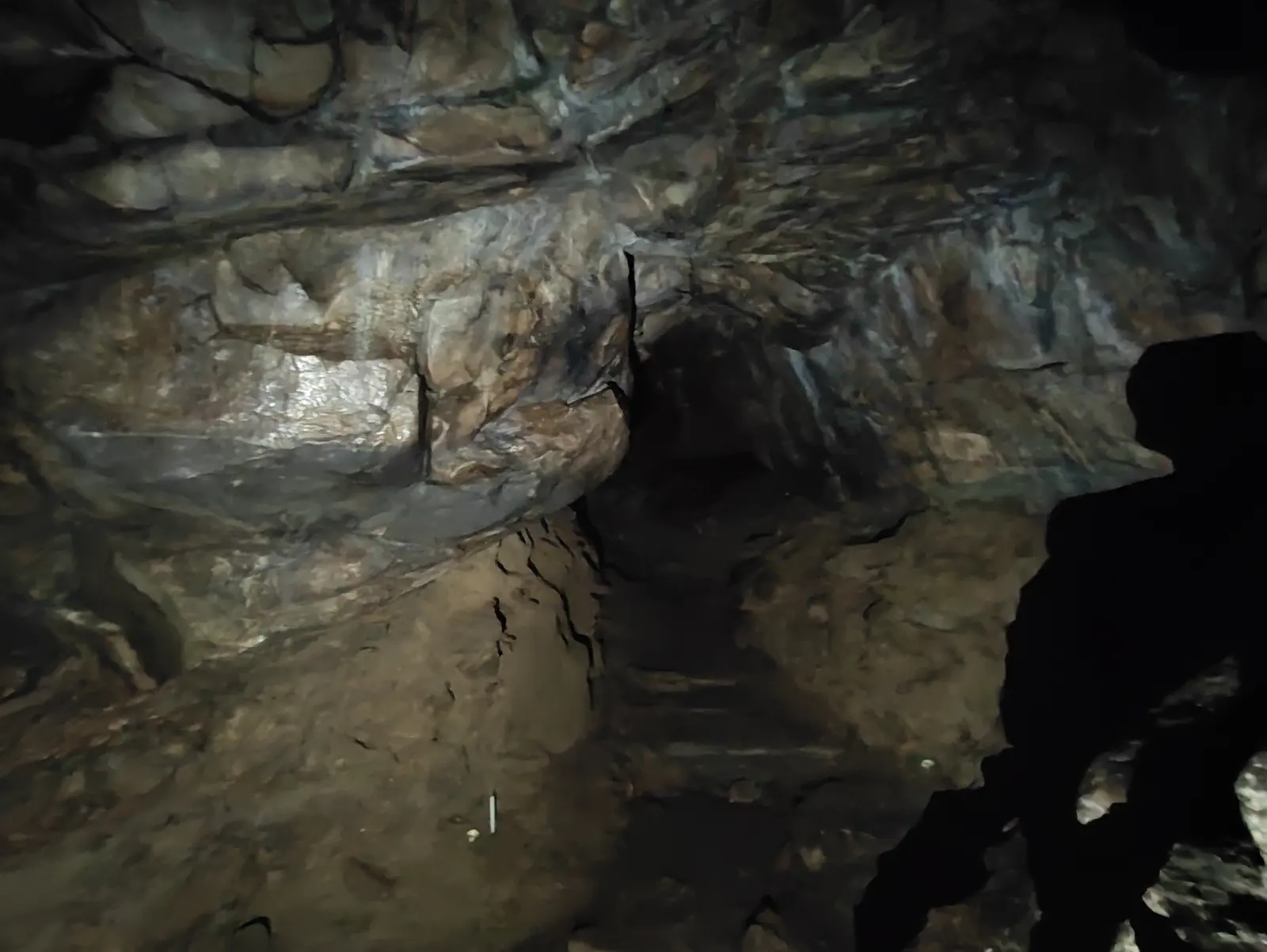
आज Rajgir में दिखाई जाने वाली Saptaparni Cave Buddhist tradition में First Council से associated है। यह association ancient textual tradition पर आधारित है; present cave को किसी modern archaeological courtroom जैसी exact council chamber reconstruction नहीं समझना चाहिए।
👤 First Council की leadership किसने की?
Traditional account में senior monk Mahakassapa या Mahakashyapa को council की leadership से जोड़ा जाता है।
Tradition के अनुसार लगभग 500 arahants इसमें शामिल हुए।
लेकिन संख्या को exact modern attendance register की तरह नहीं पढ़ना चाहिए। इसका religious और traditional significance भी है।
🗣️ Ananda की भूमिका
Ananda Buddha के close attendant और प्रमुख disciple थे।
Buddhist tradition उन्हें Buddha के discourses की recitation से जोड़ती है।
इसी context से famous formula Evam me sutam यानी broadly मैंने ऐसा सुना से जुड़ी oral transmission tradition को समझा जाता है।
📜 Upali की भूमिका
Upali को monastic discipline यानी Vinaya की recitation से जोड़ा जाता है।
इस traditional division को याद रखें:
Ananda → Dhamma or discourses
Upali → Vinaya or monastic discipline
📚 क्या First Council में पूरा Tripitaka लिख दिया गया था?
नहीं।
यह बहुत common exam और general-knowledge mistake है।
Tradition council को oral recitation और preservation से जोड़ती है। उस समय पूरा Buddhist canon आज की तरह लिखकर book form में तैयार हुआ, ऐसा कहना सही नहीं है।
Written Buddhist canons का development बाद की लंबी textual history का result है।
👑 Ajatashatru का connection
Buddhist tradition Magadha के ruler Ajatashatru को First Council के royal patron से जोड़ती है।
यह वही Ajatashatru है जिसे हमने Magadha और Vajji के conflicts वाले topics में पढ़ा था।
🎯 First Council का traditional purpose
इस council का basic traditional purpose था:
- Buddha की teachings preserve करना
- Vinaya को याद और व्यवस्थित रखना
- Sangha में continuity बनाए रखना
यानी Buddha के physical absence के बाद Dhamma और Vinaya को authority का आधार बनाना।
2️⃣ द्वितीय बौद्ध संगीति
Second Buddhist Council को Buddhist traditions broadly Buddha के Mahaparinirvana के लगभग 100 years बाद रखती हैं।
इसका traditional location था Vaishali।
Vaishali Vajji political world और early Buddhism दोनों का important centre था।
⚖️ Second Council का विवाद क्या था?
Second Council primarily monastic discipline से जुड़े विवाद से associated है।
Traditional accounts Vaishali के कुछ monks द्वारा follow की जा रही practices को लेकर disagreement बताते हैं।
इन practices को अक्सर Ten Points कहा जाता है।
🔟 Ten Points क्या थे?
Different Vinaya traditions details को slightly differently preserve कर सकती हैं, लेकिन विवाद का broad concern था कि monks को certain relaxed practices की अनुमति होनी चाहिए या नहीं।
इनमें food storage, eating practices और money या valuables accept करने जैसी issues से related points बताए जाते हैं।
Central question था:
Vinaya rules को strict तरीके से follow किया जाए या कुछ practices को स्वीकार किया जा सकता है?
👥 Sthavira और Mahasanghika
Later Buddhist histories Second Council के आसपास early Buddhist community में divisions की story को भी discuss करती हैं।
दो famous names हैं:
Sthavira या elders
Mahasanghika या great community
लेकिन exact relationship between the Vaishali dispute and the formal emergence of these schools historically complex है।
यह कहना कि एक single meeting में अचानक Buddhism exactly two modern sects में split हो गया, overly simple होगा।
⚠️ Theravada = वही original Sthavira?
Theravada historical lineage का relation Sthavira tradition से है, लेकिन ancient Sthavira और modern Theravada को बिना qualification exactly identical कहना सही नहीं है।
बीच में कई centuries का doctrinal और institutional development हुआ।
👑 कालाशोक का connection
Later Buddhist traditions Second Council को Kalashoka के reign से जोड़ती हैं।
Kalashoka Shishunaga dynasty से associated ruler था, जिसे हमने पिछले Magadha topic में पढ़ा था।
3️⃣ तृतीय बौद्ध संगीति
Theravada tradition के अनुसार Third Buddhist Council Pataliputra में Mauryan emperor Ashoka के reign के दौरान आयोजित हुई।
इसे broadly third century BCE में रखा जाता है।
यह council especially Sri Lankan Theravada chronicles में important है।
👤 Moggaliputta Tissa
Theravada tradition Third Council को respected monk Moggaliputta Tissa की leadership से जोड़ती है।
Traditional narrative के अनुसार Sangha में ऐसे लोग भी प्रवेश कर गए थे जो authentic Buddhist discipline या teaching follow नहीं कर रहे थे।
Council का उद्देश्य Sangha को purify करना और doctrinal disputes address करना बताया जाता है।
📘 Kathavatthu
Theravada tradition Kathavatthu नामक Abhidhamma text को Moggaliputta Tissa और Third Council से जोड़ती है।
इस text में अनेक doctrinal propositions और debates discuss किए गए हैं।
लेकिन textual formation की historical complexity को देखते हुए इसे simple one-day composition story की तरह समझना सावधानी मांगता है।
👑 Ashoka और Buddhism
Ashoka के reign में Buddhism को royal patronage का major boost मिला।
लेकिन Ashoka को केवल Buddhist emperor कहकर उसकी entire Dhamma policy को Buddhist doctrine के equal मान लेना गलत होगा।
उसके inscriptions ethical conduct, tolerance, respect और welfare पर broader royal Dhamma present करते हैं।
🌍 Missions की tradition
Theravada chronicles Third Council के बाद Buddhist missions अलग-अलग regions में भेजे जाने का वर्णन करती हैं।
सबसे famous tradition Mahinda के Sri Lanka जाने से जुड़ी है।
Mahinda को tradition Ashoka के son के रूप में याद करती है।
Sanghamitta की tradition भी Sri Lanka में Bhikkhuni lineage और Bodhi tree branch से जुड़ी है।
इन developments को Topic 43 में detail में पढ़ेंगे।
⚠️ क्या हर Buddhist school Third Council को same way मानता है?
नहीं।
Third Council की Pataliputra-Ashoka-Moggaliputta Tissa narrative especially Theravada historical tradition में central है।
सभी Buddhist traditions इस event को exactly same form में preserve नहीं करतीं।
इसलिए exam में tradition-specific wording important है।
4️⃣ चौथी बौद्ध संगीति: सबसे tricky part
Fourth Buddhist Council पर सबसे ज्यादा confusion होता है क्योंकि एक ही universally accepted Fourth Council नहीं है.
Different Buddhist traditions अलग councils को Fourth Council के रूप में remember करती हैं।
Exam में question की tradition identify करना बहुत जरूरी है।
🟠 Theravada tradition की Fourth Council
Theravada tradition में एक major event first century BCE के आसपास Sri Lanka में हुआ, जब Pali Canon को writing में preserve करने की tradition बताई जाती है।
यह event commonly Alu Vihara या Aluvihara से associated है।
Traditional background में famine, political instability और oral transmission के loss का fear बताया जाता है।
✍️ Canon को लिखना इतना important क्यों था?
कई centuries तक Buddhist teachings oral transmission से preserve हुई थीं।
अगर monks की memorising lineages crisis में खत्म हो जातीं, तो teachings के loss का danger हो सकता था।
इसलिए Theravada tradition में canon को writing में preserve करना major turning point माना जाता है।
🔵 Sarvastivada tradition की Fourth Council
North Indian और Central Asian Buddhist historical tradition एक अलग council को Kanishka के reign से जोड़ती है।
Kanishka Kushan dynasty का famous ruler था।
इस council को broadly Kashmir से associate किया जाता है और Sarvastivada tradition से closely connect किया जाता है।
👑 Kanishka का role
Later Buddhist traditions Kanishka को Buddhism का major patron बताती हैं।
उसका empire north-west India और Central Asian routes से जुड़ा था, जहाँ Buddhism के transmission के लिए favourable networks मौजूद थे।
लेकिन Kanishka council की exact date, location और details पर historical debate है।
📚 Mahavibhasha
Sarvastivada tradition Fourth Council को large Abhidharma commentary tradition, especially Mahavibhasha, से associate करती है।
इससे Kashmir Sarvastivada scholastic Buddhism का important centre बना।
⚠️ क्या Kanishka की council में Mahayana शुरू हुआ?
यह popular लेकिन misleading simplification है।
Mahayana का development gradual था और multiple textual, devotional तथा philosophical movements से जुड़ा था।
यह कहना कि Kanishka ने एक meeting बुलाकर Mahayana create कर दिया, historically सही नहीं है।
📊 चार Councils का आसान chart
First → Rajagriha → Mahakassapa → Dhamma and Vinaya preservation.
Second → Vaishali → Vinaya dispute and Ten Points.
Third → Pataliputra → Ashoka and Moggaliputta Tissa in Theravada tradition.
Fourth → tradition-dependent.
Theravada Fourth → Sri Lanka → canon committed to writing.
Sarvastivada Fourth → Kashmir → Kanishka tradition and scholastic compilation.
🧠 Councils वास्तव में क्यों important थीं?
Buddhist Councils की significance केवल dates और rulers याद करने में नहीं है।
वे हमें तीन बड़ी historical processes समझाती हैं:
- Oral preservation
- Monastic discipline
- Doctrinal diversity
Buddhism एक large transregional tradition बनने लगा तो naturally questions उठे कि authentic teaching क्या है, Vinaya कैसे follow हो और अलग interpretations को कैसे handle किया जाए।
📚 Oral tradition की शक्ति
Modern reader को surprising लग सकता है कि इतना बड़ा literature centuries तक orally transmit हुआ।
लेकिन ancient South Asian traditions में systematic memorisation बहुत sophisticated थी।
Group recitation, repetition और structured textual patterns oral preservation में मदद करते थे।
📖 Tripitaka कैसे समझें?
Buddhist canonical collections को broadly तीन baskets के framework में याद किया जाता है:
- Vinaya Pitaka → monastic discipline
- Sutta or Sutra Pitaka → discourses
- Abhidhamma or Abhidharma → systematic doctrinal analysis
लेकिन अलग Buddhist schools के canons और Abhidharma traditions identical नहीं थे।
इसलिए Tripitaka को एक single universal book edition समझना गलत होगा।
🌳 Buddhism में अलग schools क्यों बने?
Buddha के बाद centuries में Buddhism geographically expand हुआ।
Different monastic communities ने Vinaya, doctrine और textual interpretation के अलग lineages develop किए।
इससे अनेक early Buddhist schools बने।
यह process एक single dramatic split से ज्यादा complex था।
⚠️ Hinayana term अभी क्यों avoid करें?
Early Buddhist schools को automatically Hinayana कहना historically और terminologically problematic है।
Hinayana एक later Mahayana polemical label था, किसी ancient school's preferred self-name नहीं।
अगले Topic 42 में हम Theravada, early Buddhist schools और Mahayana terminology को detail में clarify करेंगे।
🧩 Council और school same चीज नहीं
एक और common mistake:
Council = sect नहीं।
Councils assemblies की traditions हैं। Buddhist schools doctrinal और institutional lineages हैं जो समय के साथ develop हुए।
इन दोनों processes का relation हो सकता है, लेकिन वे identical नहीं हैं।
⚠️ Exam में common mistakes
- First Council → Rajagriha.
- Mahakassapa → traditional leader of First Council.
- Ananda → discourses की recitation.
- Upali → Vinaya की recitation.
- Second Council → Vaishali.
- Second Council → monastic discipline and Ten Points dispute.
- Third Council → Pataliputra under Ashoka in Theravada tradition.
- Moggaliputta Tissa → Third Council tradition.
- Fourth Council → एक ही universally accepted event नहीं.
- Theravada Fourth → Sri Lanka and writing of Pali Canon tradition.
- Sarvastivada Fourth → Kashmir and Kanishka tradition.
- Kanishka Council = Mahayana का sudden birth कहना गलत है.
🎯 30 सेकंड में Revision
1st → Rajagriha.
Leader → Mahakassapa.
Ananda → Dhamma.
Upali → Vinaya.
2nd → Vaishali.
Issue → Vinaya and Ten Points.
3rd → Pataliputra.
Patron → Ashoka in Theravada tradition.
Teacher → Moggaliputta Tissa.
Theravada 4th → Sri Lanka, canon written.
Sarvastivada 4th → Kashmir, Kanishka tradition.
📌 सबसे जरूरी बात
Buddhist Councils को एक perfectly fixed four-event timeline समझना incomplete है। First, Second और Third Councils की traditions अलग textual lineages में अलग detail से preserved हैं, और Fourth Council के लिए तो अलग traditions अलग events को recognise करती हैं।
इन councils की real historical importance यह है कि वे Buddhism में oral transmission, Vinaya discipline, doctrinal debate और अलग Buddhist schools के gradual development को समझने का framework देती हैं।
अगले topic में हम इसी diversity को समझेंगे: Theravada, तथाकथित Hinayana terminology और Mahayana traditions।
Was this article helpful?
Help us improve by giving your feedback.
Test your understanding
प्रथम बौद्ध संगीति किस स्थान से traditionally जुड़ी है?
- A. वैशाली
- B. राजगृह
- C. सारनाथ
- D. उज्जयिनी
Buddhist tradition First Council को Rajagriha और Saptaparni Cave से जोड़ती है।
प्रथम बौद्ध संगीति में Vinaya की recitation किससे traditionally जोड़ी जाती है?
- A. Ananda
- B. Ashoka
- C. Upali
- D. Kanishka
Traditional account Upali को Vinaya की recitation से जोड़ता है।
द्वितीय बौद्ध संगीति कहाँ आयोजित हुई मानी जाती है?
- A. वैशाली
- B. पाटलिपुत्र
- C. तक्षशिला
- D. मथुरा
Second Buddhist Council को Vaishali से traditionally जोड़ा जाता है।
Second Buddhist Council का मुख्य विवाद broadly किससे जुड़ा था?
- A. Buddha के जन्मस्थान से
- B. Mauryan succession से
- C. Temple architecture से
- D. Monastic discipline और Vinaya practices से
Vaishali council की tradition Ten Points और Vinaya practices से जुड़े विवाद को central मानती है।
Theravada tradition की Third Buddhist Council किस ruler से जुड़ी है?
- A. Bimbisara
- B. Ashoka
- C. Harsha
- D. Samudragupta
Theravada historical tradition Third Council को Pataliputra में Emperor Ashoka के reign से जोड़ती है।
Theravada tradition में Third Council से कौन-से monk का नाम विशेष रूप से जुड़ा है?
- A. Nagarjuna
- B. Vasubandhu
- C. Moggaliputta Tissa
- D. Bodhidharma
Moggaliputta Tissa को Theravada tradition Third Council की leadership से जोड़ती है।
Fourth Buddhist Council के बारे में सबसे historically accurate statement कौन-सा है?
- A. Different Buddhist traditions अलग events को Fourth Council मानती हैं
- B. सभी traditions exactly एक ही council को मानती हैं
- C. Fourth Council Buddha के lifetime में हुई
- D. Fourth Council का Buddhism से कोई संबंध नहीं
Theravada और Sarvastivada traditions अलग councils को Fourth Council के रूप में remember करती हैं।
Kanishka से जुड़ी council और Mahayana के संबंध में सबसे सही statement कौन-सा है?
- A. Kanishka ने एक meeting में Mahayana invent कर दिया
- B. Mahayana Kanishka से हजारों वर्ष पहले fully developed था
- C. Kanishka की council केवल Theravada canon लिखने के लिए हुई
- D. Kanishka council tradition महत्वपूर्ण है, लेकिन Mahayana का development gradual था और उसे एक single council से explain नहीं किया जा सकता
Mahayana multiple textual, devotional और philosophical developments से gradually उभरा; इसे Kanishka की एक council की creation नहीं मानना चाहिए।