
The Buddhist Councils
The Buddhist Councils
Buddhist traditions remember a series of councils concerned with preserving the Buddha's teachings and monastic discipline. The First is associated with Rajagriha, the Second with Vaishali and the Theravada account of the Third with Pataliputra under Ashoka. The term Fourth Council refers to different events in different Buddhist traditions.
Quick Summary
Buddhist traditions remember a series of councils concerned with preserving the Buddha's teachings and monastic discipline. The First is associated with Rajagriha, the Second with Vaishali and the Theravada account of the Third with Pataliputra under Ashoka. The term Fourth Council refers to different events in different Buddhist traditions.
☷ Table of Contents ⌃
- 1☸️ What Were the Buddhist Councils?
- 2⚠️ Historical Caution
- 31️⃣ First Council
- 4👤 Mahakassapa
- 5🗣️ Ananda
- 6📜 Upali
- 7📚 Was the Entire Canon Written at the First Council?
- 8👑 Ajatashatru
- 92️⃣ Second Council
- 10🔟 The Ten Points
- 11👥 Early Divisions
- 12👑 Kalashoka
- 133️⃣ Third Council
- 14👤 Moggaliputta Tissa
- 15📘 Kathavatthu
- 16🌍 Missions
- 17⚠️ Not Universally Preserved in the Same Form
- 184️⃣ The Fourth Council Problem
- 19🟠 Theravada Fourth Council
- 20✍️ Writing the Canon
- 21🔵 Sarvastivada Fourth Council
- 22📚 Mahavibhasha
- 23⚠️ Did Kanishka Create Mahayana?
- 24📊 Quick Comparison
- 25📖 The Tripitaka
- 26🌳 Development of Buddhist Schools
- 27⚠️ Terminology
- 28🎯 Quick Revision
- 29📌 The Big Idea
☸️ What Were the Buddhist Councils?
The Buddha left no surviving book written in his own hand. His teachings were transmitted orally by communities of monks and disciples.
Buddhist traditions therefore remember major assemblies concerned with preserving Dhamma, maintaining Vinaya and resolving disputes.
These assemblies are commonly known as the Buddhist Councils.
⚠️ Historical Caution
The familiar sequence of councils comes from Buddhist textual traditions. Different schools preserve different details and not every council is supported by evidence of equal historical strength.
They should therefore be understood both as important institutional traditions and as historical claims that require source-sensitive interpretation.
1️⃣ First Council
The First Buddhist Council is traditionally placed at Rajagriha shortly after the Buddha's Mahaparinirvana.
Tradition associates it with the Saptaparni or Sattapanni Cave.
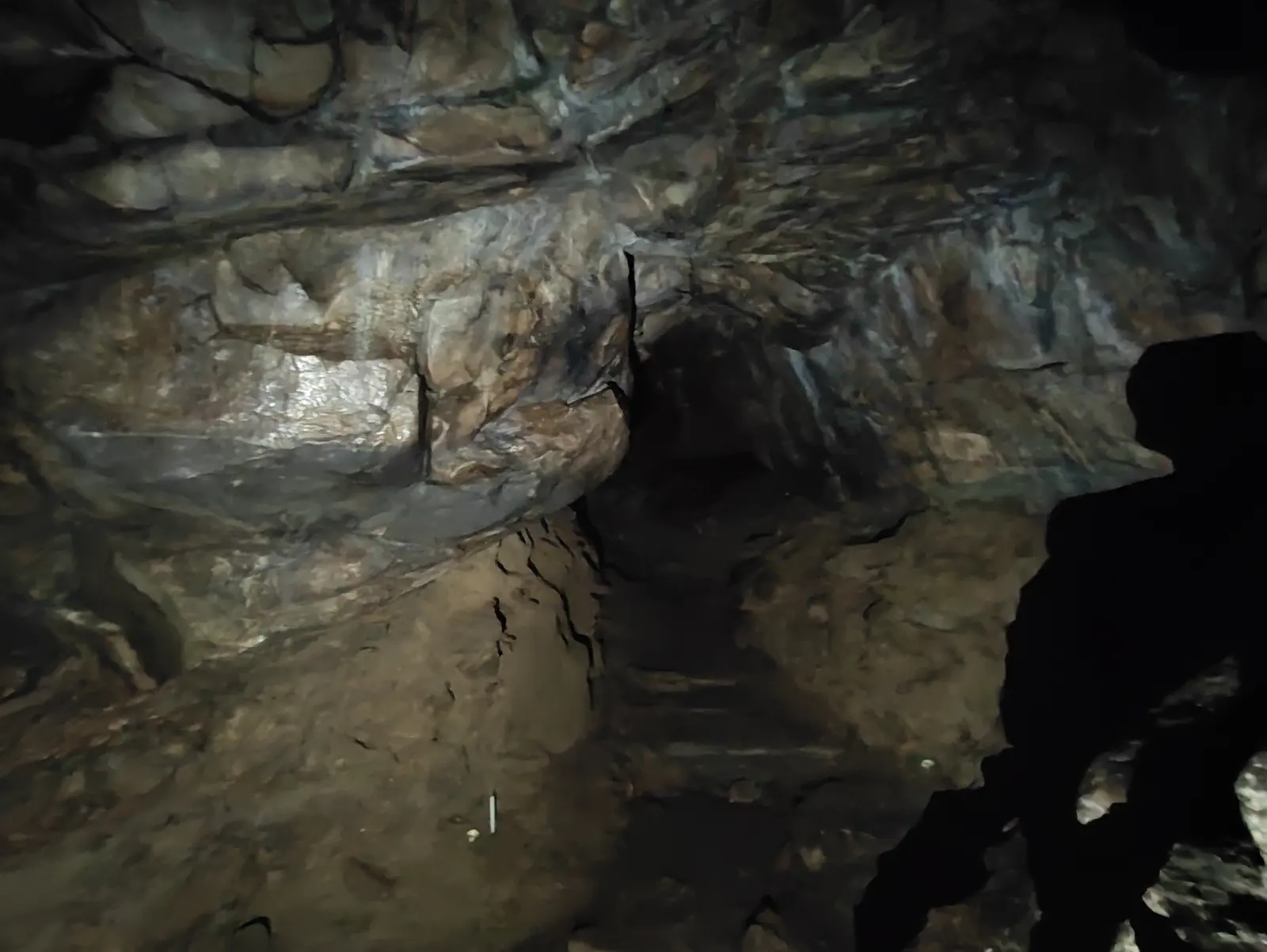
The cave at modern Rajgir is traditionally identified with the council, although this should not be interpreted as an archaeologically reconstructed council chamber.
👤 Mahakassapa
Mahakassapa is traditionally described as the senior monk who led the assembly.
Accounts commonly speak of five hundred arahants, though such numbers should not be treated as modern attendance records.
🗣️ Ananda
Ananda, the Buddha's close attendant, is traditionally associated with the recitation of the Buddha's discourses.
📜 Upali
Upali is associated with the recitation of the Vinaya or monastic discipline.
A useful memory aid is:
Ananda → teachings and discourses.
Upali → Vinaya.
📚 Was the Entire Canon Written at the First Council?
No. The traditional account concerns oral recitation and preservation, not the production of a complete written Tripitaka in book form.
👑 Ajatashatru
Buddhist tradition associates Ajatashatru of Magadha with royal patronage of the First Council.
2️⃣ Second Council
The Second Buddhist Council is traditionally placed at Vaishali, roughly a century after the Buddha's passing.
Its main issue concerned disputes over monastic discipline.
🔟 The Ten Points
Traditions describe disagreement concerning a set of practices commonly called the Ten Points.
These involved questions relating to monastic food, possessions, money and the interpretation of Vinaya rules.
Different Vinaya traditions preserve details somewhat differently.
👥 Early Divisions
Later Buddhist histories discuss the emergence of groups known as Sthaviras and Mahasanghikas in the broader context of early divisions.
However, it is too simple to imagine that one single meeting instantly created two fully formed later Buddhist traditions.
👑 Kalashoka
Later traditions associate the Second Council with the reign of Kalashoka.
3️⃣ Third Council
Theravada tradition places a Third Council at Pataliputra during the reign of Emperor Ashoka in the third century BCE.
This narrative is particularly important in Sri Lankan Theravada chronicles.
👤 Moggaliputta Tissa
The council is traditionally associated with the monk Moggaliputta Tissa.
Its stated purpose included resolving doctrinal disputes and purifying the Sangha.
📘 Kathavatthu
Theravada tradition associates the Kathavatthu with Moggaliputta Tissa and the Third Council.
🌍 Missions
Theravada chronicles describe Buddhist missions following the council, including the famous mission of Mahinda to Sri Lanka.
This tradition became central to the historical memory of Sri Lankan Buddhism.
⚠️ Not Universally Preserved in the Same Form
Not all Buddhist schools preserve the Ashoka-Moggaliputta Tissa Third Council narrative in exactly the same manner.
4️⃣ The Fourth Council Problem
There is no single universally accepted event called the Fourth Buddhist Council.
Different Buddhist traditions apply the label to different councils.
🟠 Theravada Fourth Council
Theravada tradition remembers an important event in Sri Lanka around the first century BCE when the Pali Canon was committed to writing.
This is commonly associated with Alu Vihara or Aluvihara.
✍️ Writing the Canon
The move from exclusively oral transmission to written preservation was a major turning point in Theravada textual history.
🔵 Sarvastivada Fourth Council
Another Buddhist tradition associates a major council with Kushan ruler Kanishka, usually connected with Kashmir and the Sarvastivada school.
The precise date, location and historical details remain debated.
📚 Mahavibhasha
The Kanishka council tradition is associated with Sarvastivada scholastic literature and the Mahavibhasha.
⚠️ Did Kanishka Create Mahayana?
No. Mahayana developed gradually through multiple textual, devotional and philosophical movements.
It is misleading to claim that one council under Kanishka suddenly created Mahayana Buddhism.
📊 Quick Comparison
First → Rajagriha, preservation of teachings and Vinaya.
Second → Vaishali, Vinaya dispute.
Third → Pataliputra under Ashoka in Theravada tradition.
Theravada Fourth → Sri Lanka, canon written.
Sarvastivada Fourth → Kashmir and Kanishka tradition.
📖 The Tripitaka
Buddhist canonical collections are commonly organised into Vinaya, Sutta or Sutra, and Abhidhamma or Abhidharma categories.
Different Buddhist schools did not preserve completely identical canons.
🌳 Development of Buddhist Schools
As Buddhism expanded across different regions, monastic communities developed different textual, Vinaya and doctrinal lineages.
The emergence of Buddhist schools was therefore a gradual process rather than the result of one simple split.
⚠️ Terminology
Early Buddhist schools should not automatically be labelled Hinayana. The term was a later Mahayana polemical label and was not the preferred self-designation of those schools.
🎯 Quick Revision
First → Rajagriha.
Mahakassapa → traditional leader.
Ananda → discourses.
Upali → Vinaya.
Second → Vaishali.
Third → Pataliputra in Theravada tradition.
Ashoka → traditional patron of Third Council.
Theravada Fourth → Sri Lanka.
Sarvastivada Fourth → Kanishka and Kashmir tradition.
📌 The Big Idea
The Buddhist Councils are best understood as traditions reflecting major concerns in Buddhist history: preserving oral teachings, maintaining monastic discipline, resolving doctrinal disputes and responding to increasing diversity within the Sangha.
Was this article helpful?
Help us improve by giving your feedback.
Test your understanding
Which place is traditionally associated with the First Buddhist Council?
- A. Vaishali
- B. Rajagriha
- C. Sarnath
- D. Ujjayini
Buddhist tradition associates the First Council with Rajagriha and Saptaparni Cave.
Who is traditionally associated with the recitation of the Vinaya at the First Council?
- A. Ananda
- B. Ashoka
- C. Upali
- D. Kanishka
Traditional accounts associate Upali with the recitation of the Vinaya.
Where is the Second Buddhist Council traditionally placed?
- A. Vaishali
- B. Pataliputra
- C. Taxila
- D. Mathura
The Second Buddhist Council is traditionally associated with Vaishali.
The main dispute associated with the Second Buddhist Council broadly concerned what?
- A. The Buddha's birthplace
- B. Mauryan succession
- C. Temple architecture
- D. Monastic discipline and Vinaya practices
The Vaishali council tradition centres on disputes concerning the Ten Points and monastic discipline.
The Third Buddhist Council in Theravada tradition is associated with which ruler?
- A. Bimbisara
- B. Ashoka
- C. Harsha
- D. Samudragupta
Theravada historical tradition associates the Third Council at Pataliputra with Emperor Ashoka.
Which monk is especially associated with the Third Council in Theravada tradition?
- A. Nagarjuna
- B. Vasubandhu
- C. Moggaliputta Tissa
- D. Bodhidharma
Theravada tradition associates Moggaliputta Tissa with leadership of the Third Council.
Which statement about the Fourth Buddhist Council is historically most accurate?
- A. Different Buddhist traditions recognise different events as the Fourth Council
- B. All Buddhist traditions recognise exactly the same council
- C. The Fourth Council occurred during the Buddha's lifetime
- D. The Fourth Council has no connection with Buddhism
Theravada and Sarvastivada traditions remember different councils as the Fourth Council.
Which statement best describes the relationship between the Kanishka council tradition and Mahayana?
- A. Kanishka invented Mahayana at a single meeting
- B. Mahayana was fully developed thousands of years before Kanishka
- C. Kanishka's council existed only to write the Theravada canon
- D. The Kanishka council tradition is important, but Mahayana developed gradually and cannot be explained by a single council
Mahayana emerged through multiple textual, devotional and philosophical developments rather than being created at one council.