
Why Did Magadha Rise to Power?
Why Did Magadha Rise to Power?
Magadha's rise cannot be explained by a single factor. Fertile agricultural land, river communication, access to iron-bearing regions, elephants, the defensible setting of Rajagriha, the strategic advantages of Pataliputra and ambitious rulers such as Bimbisara and Ajatashatru all contributed to its expansion.
Quick Summary
Magadha's rise cannot be explained by a single factor. Fertile agricultural land, river communication, access to iron-bearing regions, elephants, the defensible setting of Rajagriha, the strategic advantages of Pataliputra and ambitious rulers such as Bimbisara and Ajatashatru all contributed to its expansion.
☷ Table of Contents ⌃
- 1🐘 Why Did Magadha Outgrow the Other Mahajanapadas?
- 2🗺️ Location
- 3🌾 Fertile Agriculture
- 4🌊 River Networks
- 5⛏️ Access to Iron-Bearing Regions
- 6🐘 Elephants
- 7🏔️ Rajagriha
- 8🏙️ Pataliputra
- 9👑 Bimbisara
- 10⚔️ Ajatashatru
- 11🤝 Diplomacy and Conquest
- 12💰 Expanding Revenue
- 13🏙️ Urbanisation and Trade
- 14⚔️ Rival Powers
- 15📊 Four Groups of Causes
- 16🎯 Quick Revision
- 17📌 The Big Idea
🐘 Why Did Magadha Outgrow the Other Mahajanapadas?
In the sixth century BCE, Magadha was only one among several important Mahajanapadas. Kosala, Vatsa and Avanti were also major powers.
Yet over time Magadha became dominant and eventually provided the political base from which the Nanda and Maurya empires emerged.
The best explanation is not a single cause but a combination of geographical, economic, military and political advantages.
🗺️ Location
Early Magadha was centred broadly in southern Bihar. Rajagriha was its early capital, while Pataliputra later became the major political centre.
🌾 Fertile Agriculture
Fertile land in and around the middle Ganga basin supported substantial agricultural production.
Agricultural surplus could feed armies, administrators, urban populations and other non-farming groups while also providing a major revenue base for the state.
🌊 River Networks
The Ganga and connected river systems provided important routes of communication, transport and trade.
River movement could be especially efficient for transporting heavy goods and linking different regions.
⛏️ Access to Iron-Bearing Regions
Regions to the south of Magadha, including parts of present-day Jharkhand, contained important iron resources.
Increasing use of iron tools and weapons may have strengthened both agriculture and military activity.
However, iron should be treated as one contributing factor rather than the sole explanation for Magadha's rise.
🐘 Elephants
Forested eastern regions provided access to elephants, an important military resource in ancient Indian warfare.
War elephants could add both battlefield force and psychological impact.
🏔️ Rajagriha
The early capital Rajagriha occupied a naturally defensible landscape surrounded by hills.
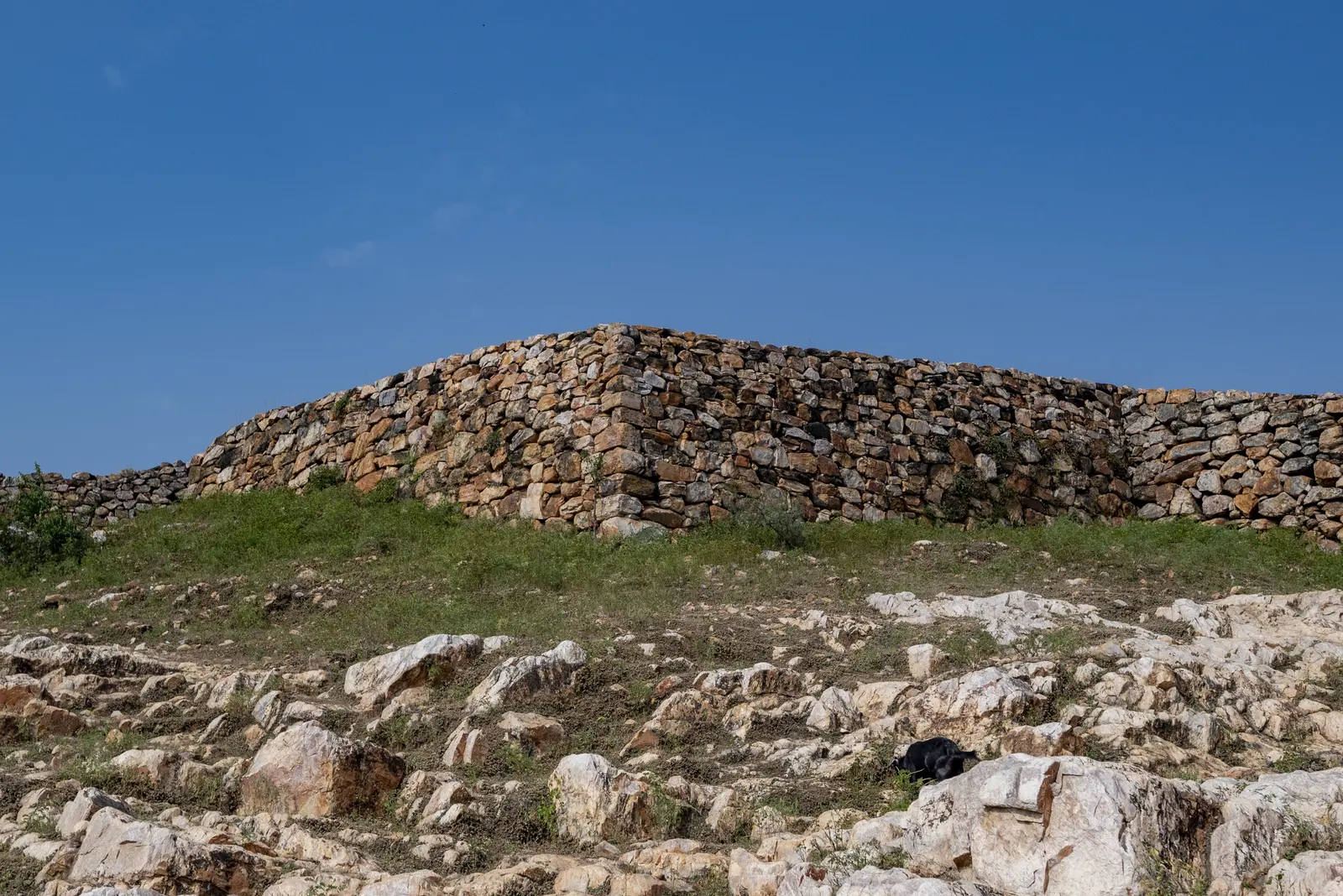
Surviving stone walls at Rajgir help visualise its fortified landscape, although their exact construction phases and dates should not be assigned too confidently to one ruler.
🏙️ Pataliputra
Later, Pataliputra offered major strategic advantages because of its location near important river routes.
Its position supported communication, trade, troop movement and political control across the Ganga valley.
👑 Bimbisara
Bimbisara was an important early ruler of Magadha. He combined conquest with diplomacy.
His conquest of Anga was especially important and brought Magadha control over Champa and access toward eastern trade networks.
⚔️ Ajatashatru
Ajatashatru continued Magadhan expansion. His struggle against the Vajji confederacy was particularly significant.
Defeating Vajji extended Magadhan influence in north Bihar and removed a major rival.
🤝 Diplomacy and Conquest
Magadhan rulers used both warfare and political alliances. Each successful expansion could increase land, population, revenue and military resources.
💰 Expanding Revenue
A larger agricultural and demographic base meant greater capacity to support armies, officials and fortifications.
This could create a reinforcing cycle: conquest → more resources → stronger military → further conquest.
🏙️ Urbanisation and Trade
Magadha's rise also formed part of the wider Second Urbanisation. Rajagriha, Champa and later Pataliputra were important centres in an increasingly complex economic landscape.
⚔️ Rival Powers
Magadha was not always unchallenged. Kosala and Avanti were major competitors.
Its eventual dominance resulted from gradual expansion and consolidation rather than automatic geographical superiority.
📊 Four Groups of Causes
Geographical → fertile land, rivers, strategic capitals.
Natural resources → iron-bearing regions, forests and elephants.
Economic → agricultural surplus, trade and urban centres.
Political → ambitious rulers, diplomacy, conquest and consolidation.
🎯 Quick Revision
Early capital → Rajagriha.
Later major capital → Pataliputra.
Bimbisara → conquered Anga.
Ajatashatru → major conflict with Vajji.
Resources → fertile agriculture + iron + elephants.
Transport → river networks.
Best explanation → multiple factors working together.
📌 The Big Idea
Magadha became dominant because it combined a strong agricultural base, favourable communication routes, access to important resources and strategic capitals with aggressive and capable political leadership.
These advantages were turned into territorial expansion by rulers such as Bimbisara and Ajatashatru, creating the foundation for later imperial states.
Was this article helpful?
Help us improve by giving your feedback.
Test your understanding
What was the early capital of Magadha?
- A. Pataliputra
- B. Rajagriha
- C. Ujjayini
- D. Kaushambi
Rajagriha was the early capital of Magadha; Pataliputra later became its major political centre.
Which ruler conquered Anga for Magadha?
- A. Pradyota
- B. Prasenajit
- C. Bimbisara
- D. Udayana
Bimbisara conquered Anga, strengthening Magadha's eastern expansion and economic reach.
Ajatashatru fought a major conflict against which confederacy?
- A. Vajji
- B. Gandhara
- C. Assaka
- D. Matsya
Ajatashatru fought a major struggle against the Vajji confederacy.
What was a major advantage of river networks for Magadha?
- A. They made iron unnecessary
- B. They prevented agriculture
- C. They ended all warfare
- D. They supported transport, communication, trade and agriculture
River networks helped move goods, people and armies while also supporting agriculture and trade.
Which is the most balanced statement about iron and the rise of Magadha?
- A. Iron was the only cause of Magadha's rise
- B. Access to iron resources was useful, but several other factors were also important
- C. Magadha was completely unfamiliar with iron
- D. Iron was used only for ritual
Iron tools and weapons were useful, but Magadha's rise resulted from a combination of agriculture, rivers, military resources and political leadership.
What was an important advantage of Rajagriha's location?
- A. It was an island in the sea
- B. It stood on a completely open plain
- C. Its surrounding hills offered defensive advantages
- D. It stood on a Himalayan summit
Rajagriha occupied a landscape surrounded by hills, providing important defensive advantages.
What is the best historical explanation for the rise of Magadha?
- A. A combined effect of geography, resources, agriculture, military capacity and capable rulers
- B. A single iron mine
- C. Buddhism alone
- D. The other Mahajanapadas had no agriculture
Magadha's dominance was a multi-factor process and cannot be explained by one factor alone.
How could conquest make Magadha's power self-reinforcing?
- A. Conquest reduced its territory and population
- B. The army disappeared after every conquest
- C. Conquest prevented rulers from collecting revenue
- D. New land and population could increase revenue, supporting stronger armies and further conquest
Expansion could increase resources and revenue, which could then support armies, administration and further expansion.